

 See My Latest Article on HelloNation
What Causes Teeth to Become Crooked?
Crooked teeth are surprisingly common and can result from more than just genetics. While family history plays a role, many local families are curious about other contributors. In White Plains, NY, crowded housing and busy family schedules sometimes shape habits and environments that subtly influence dental health.
Most commonly, teeth become crooked due to a combination of factors:
- Genetics: The size and shape of the jaw are often inherited. When there isn’t enough space for all the teeth, crowding occurs and teeth may grow in misaligned.
- Early loss of baby or adult teeth: A lost tooth may allow surrounding teeth to shift, closing the gap unevenly.
- Prolonged habits: Thumb sucking, prolonged pacifier use, or tongue thrusting during early childhood can impact tooth and jaw alignment.
- Poor oral habits: Consistent mouth breathing (sometimes due to allergies, especially in humid and pollen-heavy seasons) or frequent nail-biting may affect how teeth develop.
- Injury: Trauma or bumps to the face can physically shift teeth out of position.
Each factor plays a different role based on age, genetics, and daily habits. Multistory housing, popular in many city neighborhoods, sometimes means siblings share rooms beyond early childhood, subtly affecting night-time oral behaviors.
Do Crooked Teeth Always Need Orthodontic Treatment?
Misaligned teeth don’t always require orthodontic intervention. Minor misalignments may not affect health or daily life, but more significant crookedness can lead to issues.
The potential challenges include:
- Increased risk of tooth decay, as misaligned teeth can be harder to clean
- Greater likelihood of gum disease from trapped plaque
- Uneven wear on tooth surfaces
- Difficulty chewing or speaking clearly
Local dentists may suggest monitoring mild issues in growing children. Middle-school students in White Plains often undergo evaluation as new adult teeth arrive. If crookedness isn’t causing daily problems or health risks, observation is sometimes enough.
How Does Orthodontic Treatment Help Straighten Teeth?
Orthodontic care realigns teeth using gentle, consistent pressure. Whether through braces, clear aligners, or retainers, the principle remains the same: shift teeth slowly over time into a better position.
Major methods include:
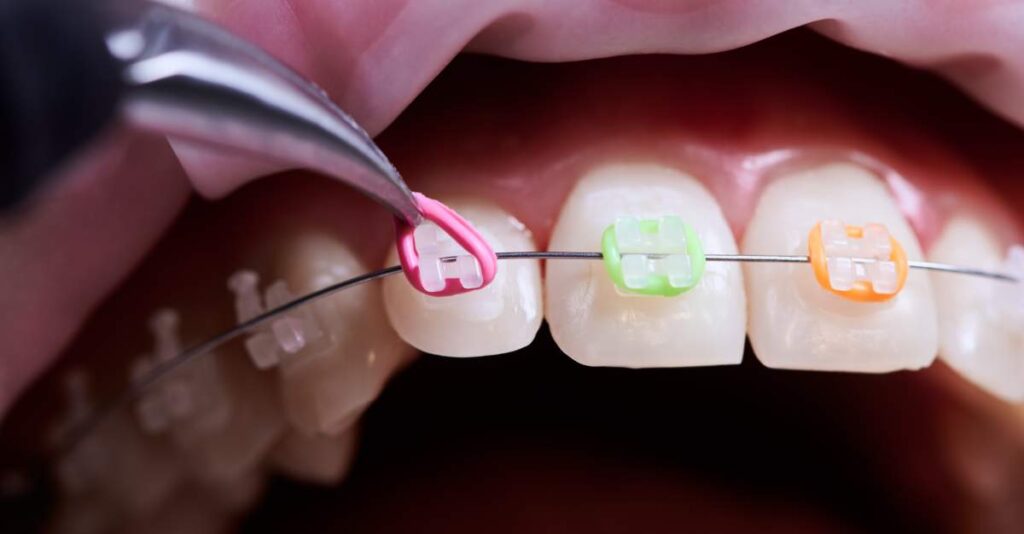
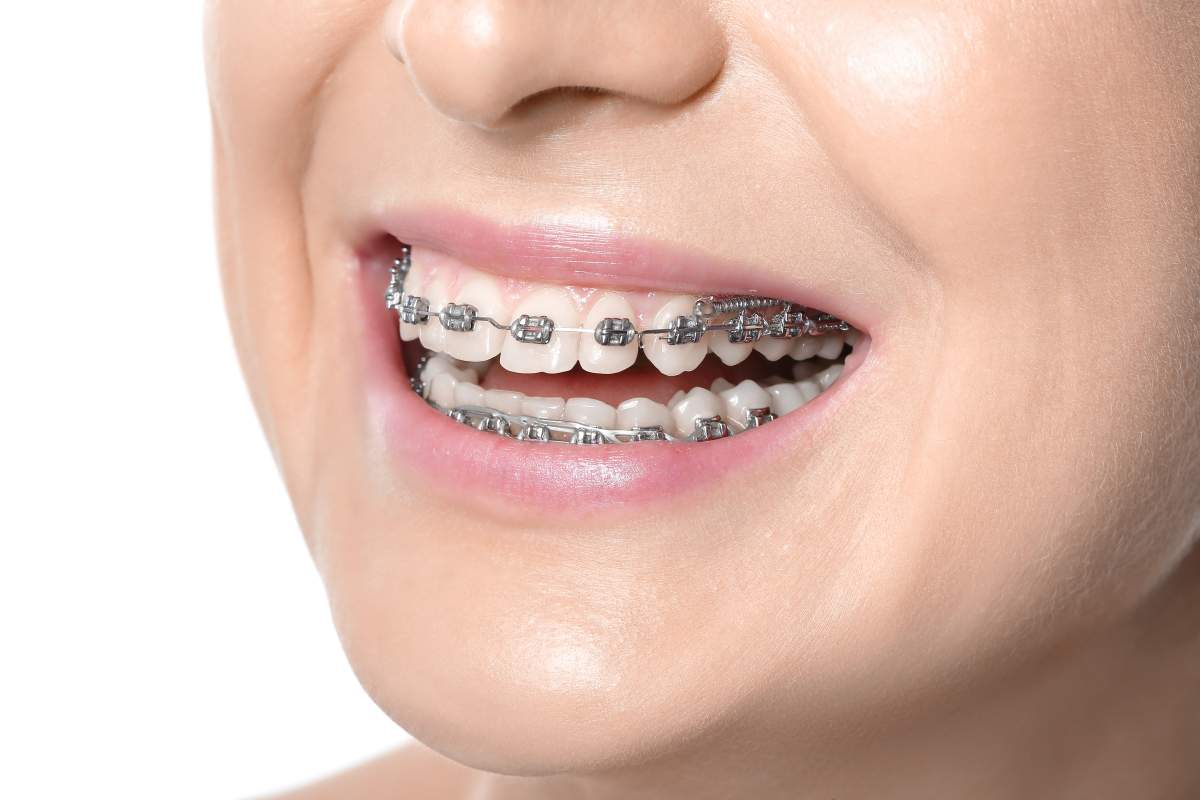
- Braces (metal or ceramic): Small brackets are bonded to teeth and connected with wires. These are regularly adjusted.
- Clear aligners: Custom-made, nearly invisible plastic trays worn over the teeth.
- Retainers: Often used after teeth are straightened to ensure they stay in place.
Each device gradually guides teeth into a healthier, more functional arrangement. In some cases, a combination of treatments is suggested for the best results.
At What Age Is Orthodontic Intervention Most Effective?
Children and teenagers often achieve quicker, easier results because their jaws are still growing. The American Association of Orthodontists generally recommends an initial check by age 7. Local schools sometimes offer dental screenings that help spot problems early.
However, adults in White Plains frequently seek orthodontic care, too. While adult treatment can take longer (due to mature bone structure), modern orthodontics has made discreet options much more accessible for all ages. Good oral hygiene and regular checkups remain critical, regardless of treatment timing.
Are There Risks or Downsides to Orthodontic Care?
For most people, orthodontic treatment is very safe when properly managed. Still, there are a few aspects to be aware of:
- Temporary discomfort: This is normal after adjustments or when starting new aligners.
- Need for excellent oral hygiene: Braces or aligners can trap food; diligent brushing and flossing are needed.
- Dietary adjustments: Crunchy snacks may require cutting back during braces treatment.
- Tooth root shortening: Rarely, moving teeth very quickly can affect root length, but modern orthodontic protocols minimize this risk.
It’s also a misconception that braces are only for children. Plenty of adults in area households seek treatment, whether for health or cosmetic reasons.
What’s Unique About Orthodontic Concerns in White Plains?
Climate and lifestyle can influence dental health. In White Plains, allergy seasons can last from early spring through late fall, leading to increased mouth breathing in both kids and adults. Persistent mouth breathing can affect jaw growth and contribute to alignment problems. Local residents also tend to lead active lifestyles, which may lead to sports injuries that impact tooth position in children and teenagers.
Furthermore, the city's diverse population means genetics and oral health backgrounds vary widely, contributing to a broad range of orthodontic needs. Local families often prioritize after-school activities, impacting schedules for regular checkups and home care, which can play a role in dental health maintenance.
How Can Residents Support Healthy Tooth Alignment?
Prevention and early awareness make a real difference. Local parents can support children’s healthy development by:
- Encouraging regular brushing and flossing
- Limiting prolonged thumb sucking and pacifier use after age 2-3
- Promoting nose breathing, especially for kids with allergies
- Using mouthguards for children active in sports
- Scheduling routine dental checkups for early problem detection
Adults benefit from consistent care as well. Addressing teeth grinding (bruxism), maintaining good oral hygiene, and seeking advice if crowding or shifting is noticed helps protect alignment long-term.