

 See My Latest Article on HelloNation

Does Dental Insurance Help Pay for Braces and Other Orthodontic Care?
Dental insurance can sometimes help cover the cost of orthodontic treatment, but the specifics vary widely based on the insurance plan. In White Plains, NY, local residents often find that coverage is not as straightforward as with routine dental care. Many plans have special rules for braces, aligners, and related services.
For area households, it’s common to face questions about what insurance does and does not help pay for, especially as orthodontic treatment is a significant investment. Knowing what to expect from insurance before beginning treatment can help families plan ahead.
What Types of Orthodontic Treatments Might Be Covered?
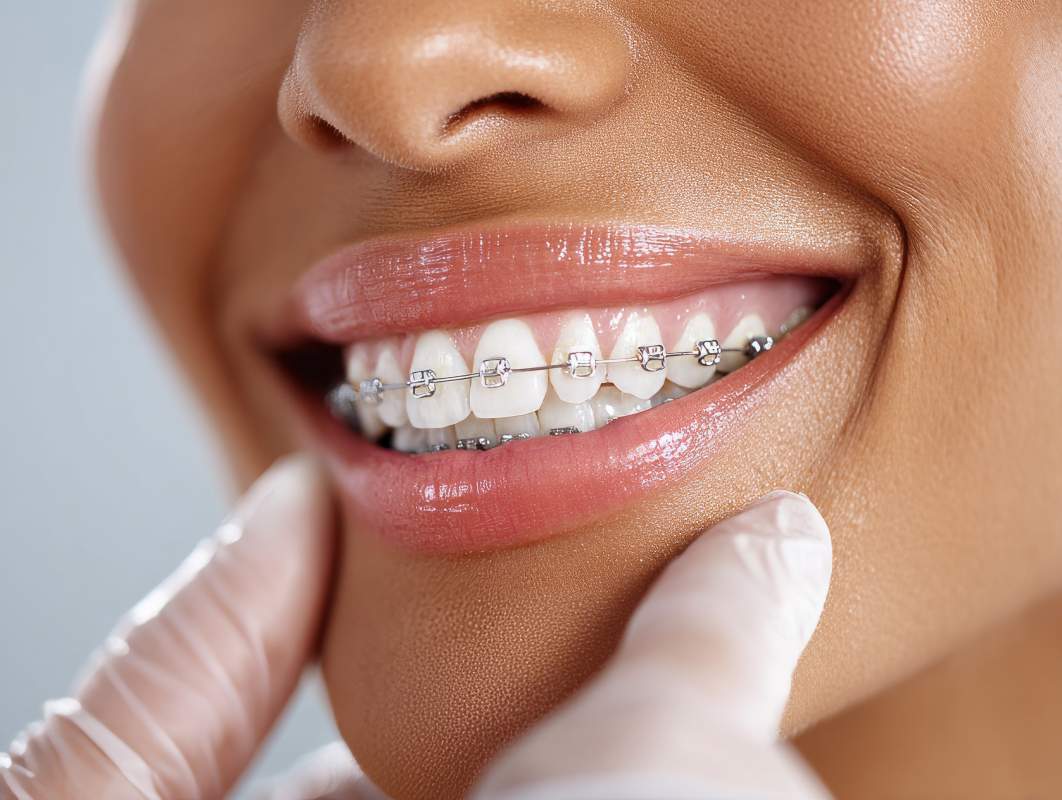
Most dental insurance plans that offer orthodontic benefits apply coverage to traditional braces and, less frequently, to clear aligners or other appliances. However, not all plans include orthodontic coverage, and some offer it only as an optional add-on.
Common treatments that might be covered:
- Metal braces (traditional)
- Ceramic or clear braces
- Removable clear aligners
- Retainers (often only after completion of treatment)
Some plans cover only treatments deemed “medically necessary,” particularly for children. Cosmetic options or purely aesthetic improvements are often excluded.
Is Orthodontic Coverage Included for All Ages?
Orthodontic insurance benefits are much more common for children and teens than adults. Many plans in the area, especially those through employer coverage, restrict orthodontic benefits to patients under 19 years old. Adult orthodontic coverage is rare and typically comes with stricter requirements and lower benefit limits.
For local parents planning care for a child, insurance is much more likely to help. Adults in White Plains, considering treatment should plan carefully, as costs may be out of pocket even with dental insurance.
How Much Does Insurance Typically Pay Toward Orthodontics?
Insurance plans that offer orthodontic coverage usually pay a fixed lifetime maximum rather than an annual amount. This means the plan may pay up to a certain cap—often $1,000 to $2,500 per individual—over the entire course of treatment, regardless of treatment length or cost.
For example:
- If the plan’s lifetime maximum is $1,500 and the cost of braces is $6,000, insurance pays up to $1,500 total.
- Families are responsible for the remainder, often paid over monthly installments.
It’s common for plans to pay a percentage of covered charges (such as 50%), up to the lifetime cap.
What Out-of-Pocket Costs Should Local Residents Expect?
Even with insurance, most local households should anticipate paying a significant share. Out-of-pocket expenses may include:
- Initial consultation or records fees
- The difference between provider fees and insurance coverage
- Costs for upgrades (like clear aligners, if not covered)
- Replacement retainers or broken appliances
Plans may require meeting an annual deductible before coverage begins. It’s also common for insurance to pay providers in installments throughout active treatment, rather than all at once.
How Can Local Families Confirm If Their Plan Covers Orthodontic Work?
Residents can review their dental plan documents or call the insurance company using the plan’s customer service number. Helpful questions include:
- Is orthodontic care included?
- Is there an age limit for coverage?
- What is the lifetime maximum benefit?
- Are particular appliances (like clear aligners) covered?
- What percentage of treatment does insurance pay?
- Must treatment begin while the patient is covered?
For students and families using school-based plans in White Plains, orthodontic benefits are not always included; it’s best to clarify before starting any treatment.
Does Medicaid or State Insurance Cover Braces in White Plains?
New York State Medicaid will sometimes cover orthodontic treatment for eligible children, but only for cases that meet strict medical necessity criteria. This means coverage might be approved when severe dental or jaw problems threaten health, function, or child development—not just for cosmetic reasons.
Area families should be prepared for a review process, including documentation and pre-authorization, if seeking coverage through public programs.
Are There Common Misunderstandings About Coverage?
Many in the community assume that having dental insurance automatically means braces are covered, but this is not the case. Common misconceptions include:
- Believing all dental plans pay for orthodontic work
- Expecting insurance to cover treatment for adults
- Assuming insurance will pay the entire cost up front
- Not realizing coverage might exclude certain types of braces or appliances
Reviewing the plan specifics and, where appropriate, asking for a written explanation of benefits prevents frustration later.
What Else Should Area Residents Know About Timing and Coordination?
Orthodontic coverage is often affected by timing:
- Many plans require that treatment begin while covered—not just an initial consult—so waiting until the new insurance year may have consequences.
- If changing employers or switching plans, coverage may not continue unless the new plan takes over treatment—known as "coordination of benefits."
- Lifetime maximums are usually not reset by changing providers or plans.
Advance planning and understanding plan rules can help prevent interruptions or unexpected charges.
Can Pretax Accounts Like FSAs Help Cover Costs?
Flexible Spending Accounts (FSAs) or Health Savings Accounts (HSAs) can often be used to pay the patient’s share of orthodontic treatment, even when insurance only pays part of the cost. This can allow area households to spread payments over time and use tax-advantaged dollars.
Always confirm acceptable expenses with the FSA or HSA administrator, particularly if submitting receipts for monthly payments.