

 See My Latest Article on HelloNation
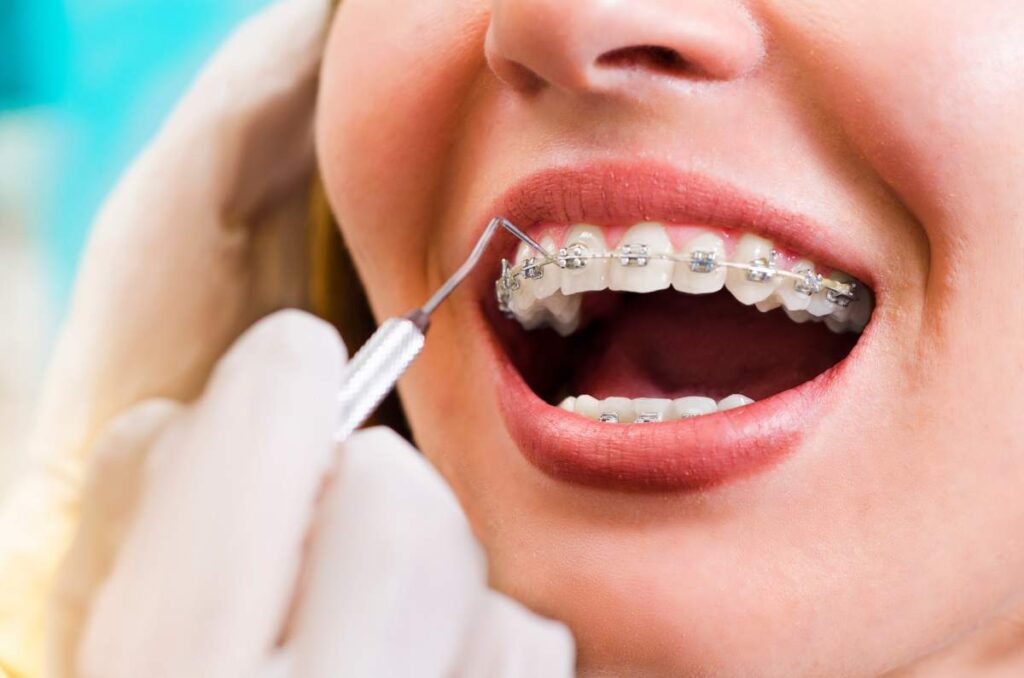
What Should You Do First If a Bracket or Wire Breaks?
A broken bracket or wire can feel alarming, but taking a calm, step-by-step approach helps keep things manageable. First, check for pain, sharp edges, or anything poking your mouth. If you feel immediate soreness or see bleeding, rinse your mouth gently with warm water. Brackets and wires are not urgent emergencies unless they are causing pain, deep cuts, trouble breathing, or have been swallowed—a rare scenario, but if it does occur, seek emergency medical care.
How Can You Protect Your Mouth from Pokey Wires or Loose Brackets?
To prevent irritation from sharp or loose metals, orthodontic wax (often provided at the start of treatment) is the most straightforward fix. Dry the area with a tissue, roll the wax into a ball, and flatten it firmly onto the offending part. If wax is unavailable, a clean bit of sugar-free gum can work in a pinch for temporary relief.
Keep in mind that small pieces of wire or a bracket can rub on soft tissues, especially while eating or speaking. For families in the area, storing wax in the medicine cabinet can help avoid repeated trips in changing weather or during snowy White Plains winters.
Is It Safe to Clip or Tuck a Wire That’s Sticking Out?
If you have a wire poking into your cheek or gums and wax isn't enough, you may be able to tuck it back into place using a clean cotton swab, pencil eraser, or even your fingertip. Always wash your hands thoroughly first. Gently nudge the wire into a comfortable position, being careful not to force it.
For wires extending far enough to cause actual injury and cannot be tucked away, a small pair of sanitized nail clippers can sometimes snip the excess. Only clip if the wire is thin, accessible, and not near sensitive tissues. Hold the end firmly so it doesn’t fly off, shield your mouth with a tissue, and snip carefully. Rinse your mouth after, and apply wax as needed. Clipping is not recommended for thick or hard wires, which can be much stronger and harder to manage at home safely.
Can You Eat Normally with a Broken Bracket or Wire?
After a break, stick to softer foods and avoid very hot, crunchy, or sticky items until the orthodontic issue is addressed. Meals like soups, mashed potatoes, yogurt, or pasta will be more comfortable and reduce the risk of further damage. With area homes often having easy access to a kitchen or microwave, preparing safe meals is straightforward.
It’s wise to avoid chewing directly on the side with the break. Broken hardware can make teeth more sensitive and disrupt the alignment process if further stressed.
What Problems Should Not Be Handled at Home?
Some situations require prompt professional care and should not be attempted at home:
- Wires or pieces lodged in the gums that cannot be easily dislodged
- Severe pain, swelling, or bleeding
- Choking risk or suspected swallowed metal
- Broken appliances causing uncontrolled bleeding or trauma
These are rare but deserve immediate medical attention to prevent further injury or infection. For non-urgent breaks, especially common during sports, snacks, or cold-weather activities in the community, managing the appliance gently until a scheduled visit is usually sufficient.

How Can Local Households Reduce the Chances of a Breakage?
Most broken brackets or wires happen after accidental hard bites, eating foods not recommended for people with braces (like popcorn or hard candy), or trauma from activities like sports. Using a mouthguard for athletic activities, keeping non-food objects out of the mouth, and following guidance about what foods to avoid all lower risk.
Changing seasons can present unique challenges; cold weather in White Plains can make metal surfaces feel sharper or increase tooth sensitivity, so extra care may be needed after coming indoors from the cold.
When Is It Safe to Wait to Fix a Broken Bracket or Wire?
If the break isn’t painful, is not causing cuts, and nothing is poking uncomfortably, it’s typically acceptable to wait a few days. Eating carefully and applying wax often resolves most discomfort. Since orthodontic treatment is a long-term process, short delays due to minor breaks generally don’t create lasting issues.
However, the longer a bracket remains detached, the less effective the appliance may be, so avoid putting off repairs for longer periods. Residents in apartment buildings or single-family homes can often manage these minor issues, but should monitor for any changes in comfort.
What Are the Most Common Myths or Missteps?
Many believe that home repair can “fix” the brackets or wires fully—this isn’t possible, but what you can do is keep your mouth comfortable and prevent new injuries. Never use glue, tape, or adhesives to try to reattach a bracket—these household fixes can damage teeth or create health risks.
Similarly, do not bend, twist, or force wires into position with sharp or household tools. Only minor tucks or trimming with sanitized clippers are recommended, and only where entirely safe and accessible.
Why Does This Happen and Will It Affect the Overall Treatment?
Broken brackets or wires are fairly common and typically the result of pressure, accidental bites, or eating the wrong foods, especially with the active lifestyles found in the White Plains community. Each break can slow progress if left for a long time, but prompt management—at home and by a care provider when feasible—prevents most setbacks.
A small, careful adjustment at home usually keeps things manageable until a regular visit. Consistent care, gentle eating, and using orthodontic wax when needed allow residents to maintain daily routines even if breaks occur in the middle of busy weeks.