

 See My Latest Article on HelloNation
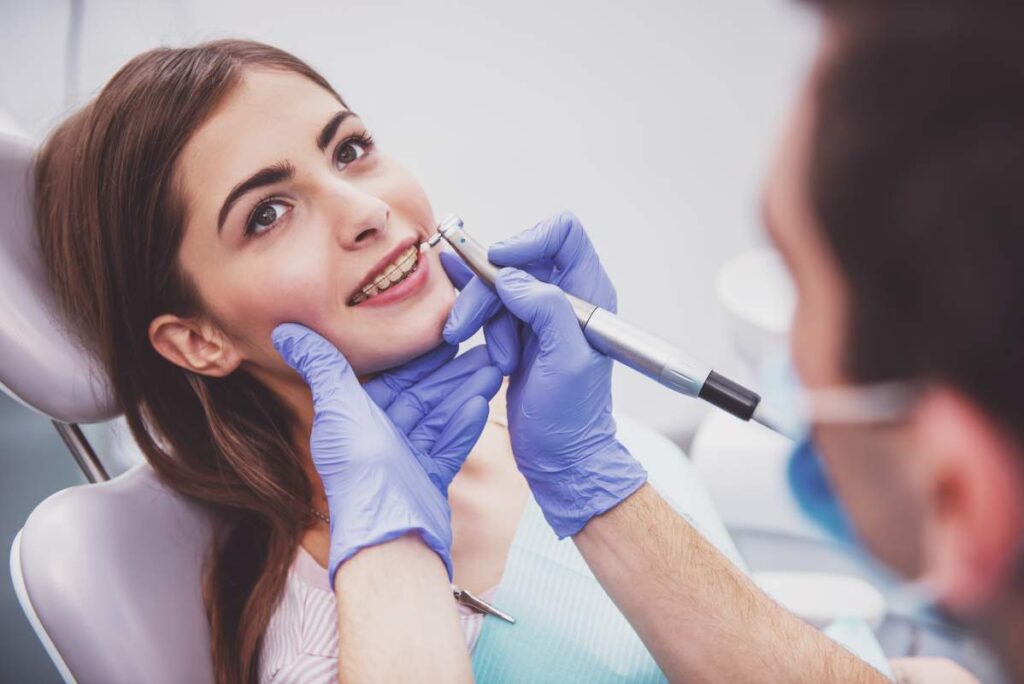
Can Orthodontic Treatment Address Jaw Pain or TMJ Disorders?
Yes, orthodontic care can sometimes help ease jaw pain or symptoms related to temporomandibular joint (TMJ) issues, but it is not always the solution. TMJ disorders are complex, and while they may be linked to how teeth fit together, not every case is affected by tooth alignment.
What Causes Jaw Pain and TMJ Disorders?
Jaw pain in White Plains residents is often due to a combination of factors affecting the joints and muscles around the jaw. Known medically as temporomandibular disorders (TMD), these conditions can cause discomfort, clicking or popping noises, stiffness, or headaches. While misaligned teeth or bite (malocclusion) may play a role, other factors are common, including:
- Bruxism (clenching or grinding teeth, often during stressful times or while sleeping)
- Arthritis affecting the jaw joint
- Injury or trauma (such as a sports accident)
- Excessive gum chewing, nail biting, or other habits
- Stress, which can cause muscle tension, especially during colder months when people may unconsciously hold their jaws tighter
Not every person experiencing jaw discomfort in the community has TMD, and not every TMD is caused by dental misalignment.
How Can Orthodontic Treatment Help?
Orthodontic methods such as braces or clear aligners are designed to improve the position and function of teeth and jaws. In cases where bite problems put strain on the jaw muscles or joints, better alignment may help relieve symptoms.
- Adjusting a deep bite, severe overbite, or crossbite may reduce stress on the TMJ and surrounding muscles
- Correcting crowding or spacing can redistribute bite forces more evenly
- Sometimes, resolving issues with jaw growth in younger residents may prevent future problems
However, orthodontic treatment is not a quick fix for all jaw pain or TMD symptoms. Many people in White Plains discover their jaw pain has multiple triggers, including posture, stress, or underlying joint changes unrelated to dental alignment.
Do Most TMJ Symptoms Improve With Braces or Aligners?
Only a subset of TMJ disorders are directly linked to bite issues that orthodontic care can address. For example, someone with a long-standing bite imbalance causing muscle fatigue might experience relief once the bite improves. But for many others, TMD symptoms may persist regardless of tooth alignment adjustments.
Studies show that braces, clear aligners, or other orthodontic appliances rarely worsen TMJ symptoms—and serious complications are uncommon—but complete relief is not guaranteed. Many TMJ symptoms improve over time even without orthodontic care through self-care or non-dental interventions.
What Other Approaches Are Used to Manage TMJ Pain?
Local households often benefit from a range of strategies to manage jaw discomfort:
- Applying ice or moist heat packs in case of inflammation
- Eating softer foods during flare-ups (especially practical during winter months or dental recovery)
- Limiting gum chewing and avoiding tough foods
- Learning relaxation techniques, especially in stressful periods
- Using night guards or splints, sometimes recommended if bruxism is present
- Physical therapy or specific jaw exercises

For persistent or severe symptoms, local medical professionals may suggest medications or, in rare cases, surgery. Most people in White Plains see improvement with a mix of self-care and professional guidance.
Are There Risks in Using Braces for Jaw Pain?
Orthodontic treatment is generally safe, but as with any healthcare intervention, there are possible risks:
- Some people may experience temporary jaw discomfort during adjustments
- Not everyone’s jaw pain responds to changes in bite or alignment
- Overtreatment can sometimes make symptoms worse if not properly assessed
A thorough evaluation, often including X-rays and a discussion of symptoms, is important before starting any orthodontic approach for jaw pain. Residents are encouraged to discuss their symptoms and history fully to ensure the right care plan.
Common Misconceptions About Orthodontics and TMJ
It’s a common myth that everyone who gets braces or aligners will automatically resolve their TMJ problems. In reality:
- Most orthodontic therapies are performed for cosmetic or functional improvement of the teeth—not specifically to target jaw pain
- Some jaw disorders are rooted in joint changes or inflammation, not tooth position
- Effective management often combines lifestyle adjustments and dental care efforts
Understanding these differences can help area households set realistic expectations and seek out the most appropriate solutions.
What Should Residents of White Plains Know?
Local factors, like seasonal stress, common lifestyle habits, or the need for mouthguards during school sports, can all play a role in jaw health. Awareness of the diverse causes of jaw pain makes it easier to prevent problems—for example, using a properly fitted night guard for teeth grinding, or practicing jaw relaxation during colder months when clenching may increase.
Many residents find it helpful to track when their jaw symptoms worsen—such as after eating certain foods, during times of higher stress, or after dental work. Keeping a log can support better decisions about lifestyle changes and dental care.
Lastly, regular dental visits provide a chance to discuss any emerging symptoms, monitor jaw function, and coordinate care if orthodontic treatment might be useful.