

 See My Latest Article on HelloNation
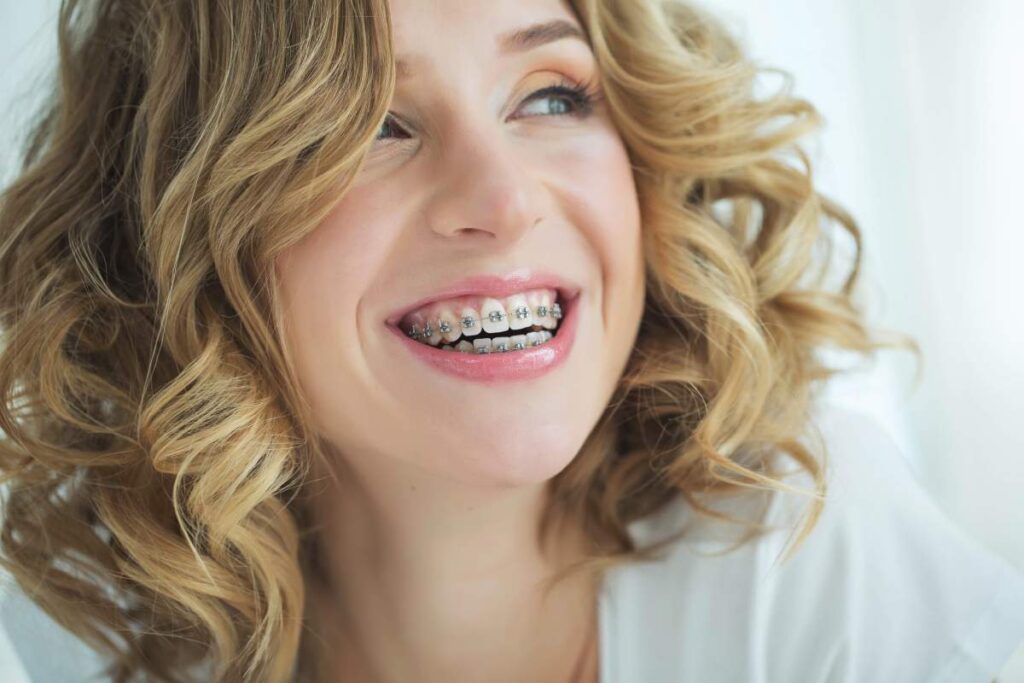
Can Braces Actually Change Facial Shape?
Braces can gently influence the contours of your face, mainly through changes in jaw alignment and tooth position. However, the amount of visible transformation varies greatly depending on age, facial structure, and the type of orthodontic issue being addressed.
Many residents in White Plains wonder if braces might make their cheeks look fuller, their chin appear more defined, or even if getting braces will make them look dramatically different. The reality is usually more subtle and depends on individual factors. The overall bone structure remains unchanged, but the soft tissues—like lips and cheeks—can follow the realignment of teeth and jaws.
What Types of Changes Are Common with Braces?
For most people, the changes braces make to facial shape are mild and positive. Here’s how shifts typically occur:
- Profiling shifts: For individuals with overbites, underbites, or crossbites, correcting dental alignment can modestly soften or sharpen the jawline or mouth area.
- Lip posture: Adjusting protruding or recessed teeth helps lips rest together more comfortably and can gently alter their appearance.
- Cheek support: When teeth move into better alignment, cheeks may get slightly more support, sometimes making the mid-face look a bit fuller.
- Symmetry improvements: Aligning the bite and teeth often enhances balance across the lower face.
These changes are most visible during adolescence, when faces are still developing. Adults may notice less dramatic—but still meaningful—improvements.
What Won’t Change with Braces?
Braces do not alter the fundamental bone structure of the face. Residents occasionally mistake orthodontic adjustments for more sweeping cosmetic changes, but some things remain unchanged:
- Cheekbones and brow shape: Braces have no effect on upper facial bones.
- Nasal structure: The nose’s size or shape does not change with orthodontic work.
- Chin prominence (in most cases): Except in rare cases involving combined orthodontic and surgical care, skeletal chin shape will not be affected.
Expectations should be realistic: subtle, healthy improvements in dental and jaw alignment can bring a face into better balance without altering inherited facial features.
Are Certain Problems More Likely to Cause Noticeable Changes?
Yes, the degree of change in facial shape depends on the underlying issue being treated:
- Severe overbite (Class II malocclusion): Correcting prominent upper teeth and a retrusive lower jaw can slightly advance the chin and reduce mouth protrusion, creating a more harmonious profile.
- Underbite (Class III malocclusion): Shifting lower teeth back or upper teeth forward can soften a previously pronounced lower jaw.
- Open bite: Closing spaces between upper and lower teeth improves lip closure, which can change the appearance of the mouth and lower face.
For residents whose alignment issues are less pronounced, facial changes may be minimal and only evident when comparing before-and-after photos closely.
Will Everyone Notice a Difference?
Most people around White Plains will find the changes from braces are subtle enough that friends and coworkers may not immediately notice—apart from a new, straighter smile. It’s common to have heightened self-awareness during orthodontic treatment, especially during adolescence. For adults, changes are generally less noticeable but can make speaking, eating, and smiling more comfortable and confident.
Occasionally, family members or those who see you daily may remark that your face “looks softer” or your smile is “more even,” but dramatic changes are uncommon unless major bite corrections are involved.
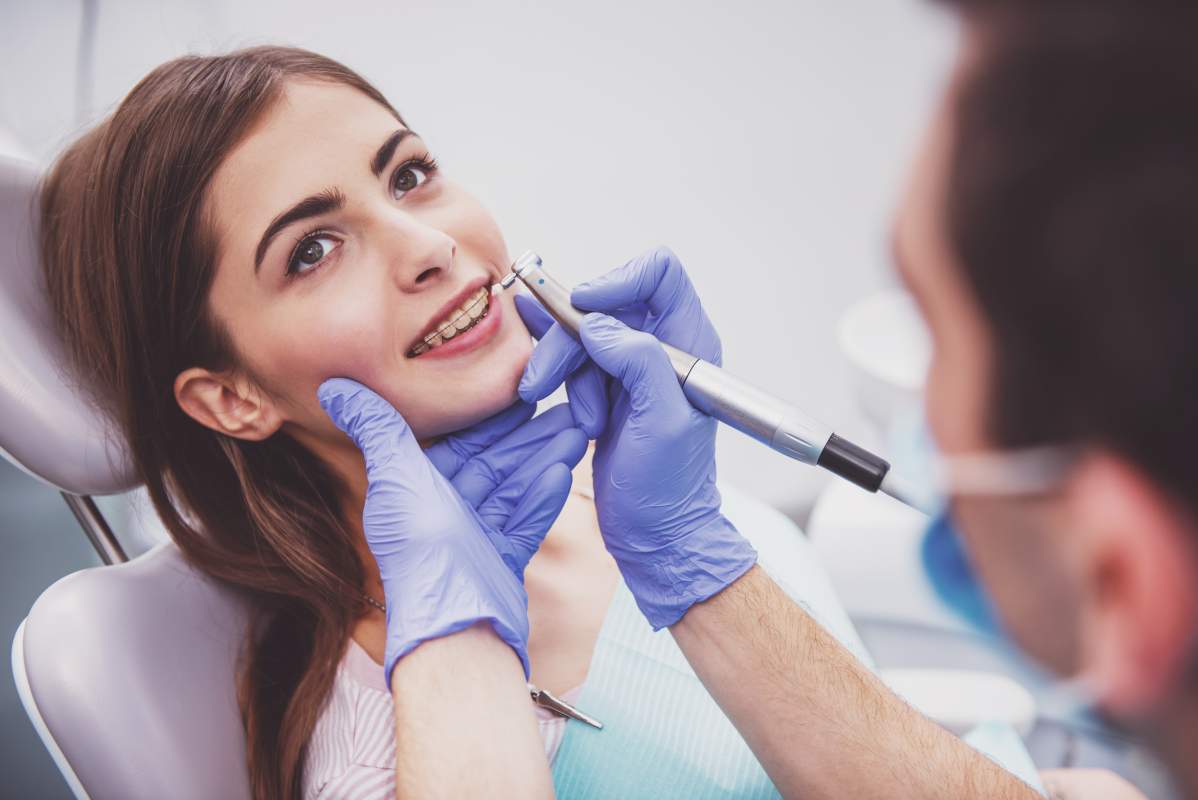
Is Age a Factor in Facial Shape Changes?
Age is a major factor. Growing children and teens experience more visible changes because their jaws and facial bones are still developing. Orthodontic treatment during these years may guide the growth of the jaw as well as the position of the teeth.
Adults may need more complex approaches for significant changes, as their bones are fully formed. Sometimes, orthodontists work together with jaw surgeons for adults requiring larger changes (orthognathic surgery), but standard braces alone are less likely to create dramatic shifts in facial shape.
Are Orthodontic Changes Permanent?
Changes brought by dental realignment tend to be long-lasting as long as follow-up care (like retainers) is maintained. Soft tissues and facial muscles adjust gradually and adapt to the new dental structure. Major underlying facial bone shape is not changed by braces alone.
How Does Local Lifestyle or Climate in White Plains Affect Orthodontic Outcomes?
Local households in White Plains often have active outdoor lifestyles, from walking to city parks to biking along local trails. A balanced bite and a properly aligned jaw can make these activities more comfortable, especially for those enjoying community events or sports.
- Residents who need mouthguards for youth or adult sports may find them more comfortable and effective after orthodontic treatment.
- Seasonal considerations, like dealing with hot summers or dry winters, are unlikely to impact facial shape but may affect comfort with braces or removable orthodontic appliances.
What Are Common Misconceptions About Braces and Facial Shape?
Several myths persist among area households:
- “Braces will make my face skinny or chubby.” In reality, only small soft tissue adjustments happen; overall face fullness is more linked to weight and genetics.
- “My nose will look smaller.” Changes in tooth position can shift the balance of a smile, but the nose itself remains the same.
- “Everyone will notice.” For most people, facial changes are gradual and not immediately obvious to others.
Understanding the real scope of orthodontic changes helps manage expectations and reduces anxiety about treatment.