

 See My Latest Article on HelloNation
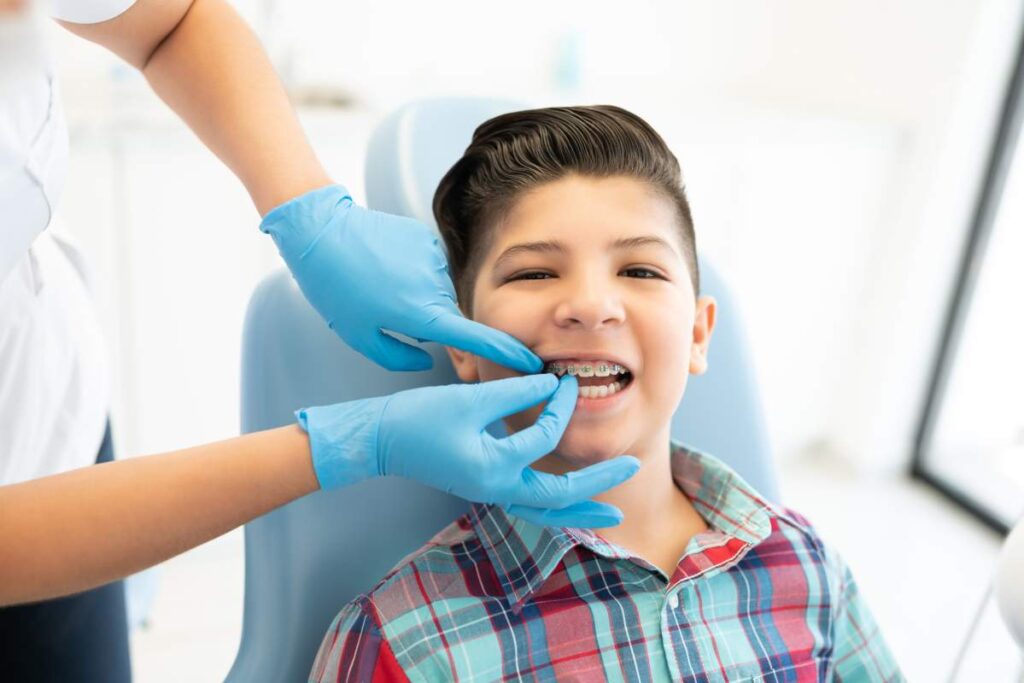
What is the difference between a dentist and an orthodontist?
A dentist provides broad oral health care, while an orthodontist focuses on tooth alignment, bite relationships, and jaw development. Both are dental professionals, but their education and day-to-day responsibilities are different.
Dentists commonly provide preventive and restorative care for the teeth, gums, and mouth. Orthodontists receive additional specialized training after dental school to diagnose and treat problems involving tooth position and the way the upper and lower jaws fit together.
A person may see the same dentist for many years and visit an orthodontist only when alignment or bite concerns require more specialized evaluation.
What does a dentist do?
A dentist is typically the primary provider for general oral health. Common responsibilities include:
- Routine examinations and dental cleanings
- Cavity detection and treatment
- Fillings and repairs for damaged teeth
- Gum disease evaluation and care
- Oral cancer screenings
- Dental X-rays
- Tooth extractions when needed
- Guidance about brushing, flossing, diet, and oral hygiene
- Management of sensitivity, tooth pain, and other common concerns
Dentists also monitor how the mouth changes over time. During a routine examination, a dentist may notice crowding, a crossbite, an overbite, delayed tooth eruption, or another issue that could benefit from orthodontic evaluation.
A dentist can often identify that a bite or alignment problem exists, but treatment planning may fall outside the scope of general dental care.
What does an orthodontist do?
An orthodontist specializes in correcting the position of teeth and the relationship between the jaws. Treatment may address both appearance and function.
Orthodontists commonly evaluate:
- Crowded or overlapping teeth
- Gaps between teeth
- Overbites and underbites
- Crossbites
- Open bites
- Teeth that have not erupted normally
- Jaw growth patterns
- Shifting teeth after earlier treatment
- Difficulty biting, chewing, or keeping certain areas clean
Treatment may involve braces, clear aligners, retainers, expanders, or other appliances. The appropriate approach depends on factors such as age, bone development, tooth position, oral hygiene, and the complexity of the bite.
Orthodontic care is not limited to teenagers. Adults may seek evaluation for crowding, bite changes, relapse after previous treatment, or concerns that have become more noticeable over time.
Does an orthodontist replace a dentist?
No. An orthodontist does not replace a general dentist, and orthodontic treatment does not eliminate the need for routine dental care.
Braces and aligners can make teeth easier to position, but they do not prevent cavities or gum disease by themselves. Food can collect around brackets, wires, and other appliances, while aligners require careful cleaning of both the trays and the teeth.
During orthodontic treatment, regular dental visits remain important for examinations, cleanings, fillings, gum care, and other general services. In many cases, the dentist and orthodontist coordinate care so that tooth movement takes place in a healthy mouth.
Should a child see a dentist or an orthodontist first?
A child should generally have an ongoing relationship with a dentist for preventive care, while an orthodontic evaluation may be recommended when tooth alignment or jaw development raises a concern.
Some orthodontic problems are easier to guide while a child is still growing. An early evaluation does not necessarily mean that treatment will begin right away. It may simply establish whether monitoring, early intervention, or later treatment is appropriate.
Parents may want to ask about orthodontic evaluation if a child has:
- Difficulty biting or chewing
- Mouth breathing or persistent open-mouth posture
- Thumb or finger habits that continue as permanent teeth develop
- Teeth that erupt noticeably out of position
- Severe crowding or unusually large spaces
- A jaw that shifts, clicks, or appears uneven when opening
- Frequent cheek biting
- Speech or oral function concerns related to the bite
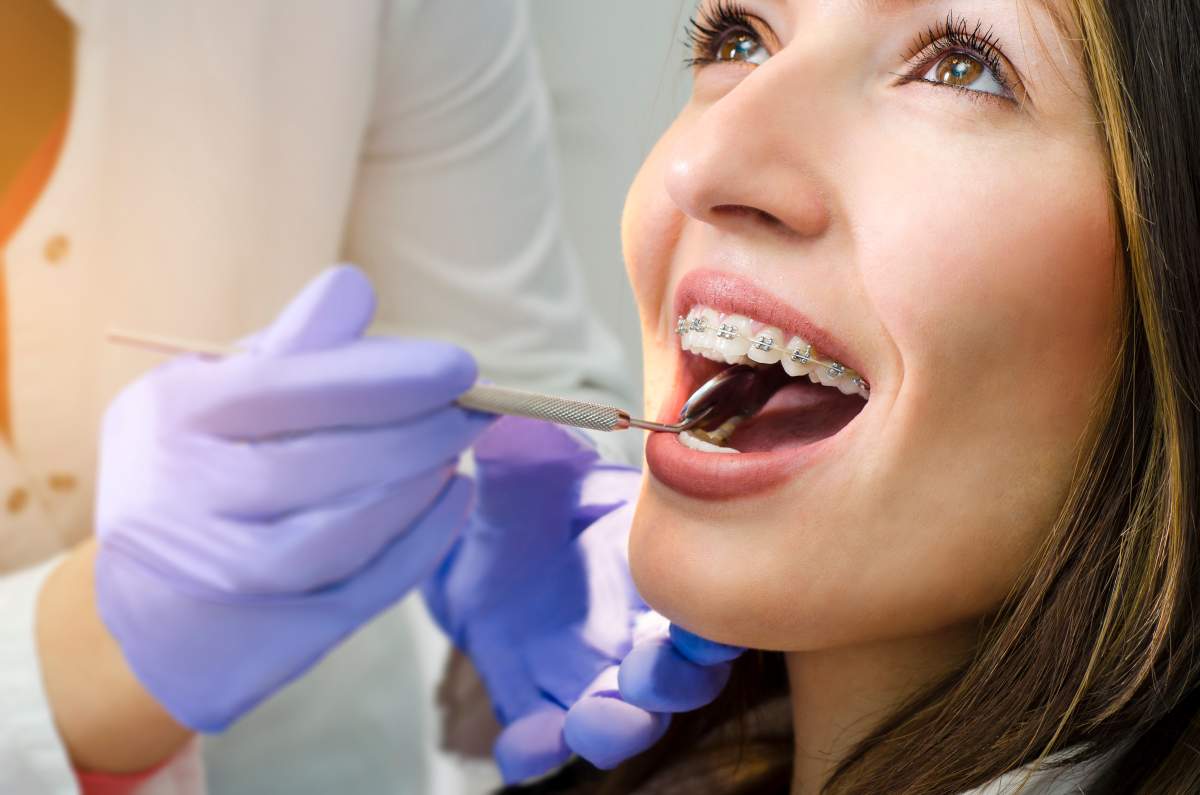
A dentist may identify these signs during a regular visit and suggest that an orthodontist take a closer look.
Can a dentist straighten teeth?
Some dentists offer limited tooth-straightening services, particularly for relatively simple movement. However, not every dentist has the same training, equipment, or experience in comprehensive orthodontic treatment.
The key question is not only whether teeth can be moved, but whether the entire bite, jaw relationship, gum health, root position, and long-term stability have been evaluated. Complex crowding, impacted teeth, significant bite discrepancies, and jaw growth concerns may require orthodontic expertise.
A dentist may also provide a referral when tooth movement is being considered but the problem appears more involved than a routine alignment issue.
Is orthodontic treatment only cosmetic?
No. Straightening teeth can improve appearance, but orthodontic treatment may also support oral function and hygiene.
Teeth that overlap heavily can be difficult to brush and floss. An uneven bite may contribute to excessive wear, difficulty chewing, accidental cheek or gum irritation, or strain in certain parts of the mouth. Not every misalignment causes a health problem, and treatment decisions should be based on individual findings rather than appearance alone.
In White Plains, NY, seasonal changes and indoor heating can contribute to dry mouth for some residents, which may make oral hygiene feel more difficult during colder months. That is one reason careful brushing, flossing, hydration, and regular dental monitoring matter during orthodontic treatment, especially when appliances create additional areas where plaque can collect.
How are dentists and orthodontists trained differently?
Both dentists and orthodontists complete dental school and earn the education required to diagnose and treat oral health conditions. An orthodontist then completes additional specialized training focused on tooth movement, facial growth, jaw relationships, and bite correction.
This distinction is similar to the difference between a primary-care medical provider and a medical specialist. A dentist manages a broad range of oral health needs, while an orthodontist concentrates on a narrower area requiring advanced expertise.
The titles should not be viewed as competing roles. They are complementary. Healthy teeth and gums provide the foundation for orthodontic treatment, and properly aligned teeth can make long-term dental care easier.
When should someone ask about orthodontic care?
An orthodontic evaluation may be reasonable when teeth are becoming crowded, a bite feels uneven, or the jaws do not seem to meet comfortably. It may also be useful when a child’s permanent teeth are erupting in unusual positions or when an adult notices that teeth have shifted.
A dental visit is the better starting point for problems such as tooth pain, bleeding gums, cavities, broken fillings, sensitivity, or suspected infection. An orthodontic evaluation is more directly focused on alignment, bite, and jaw development.
Some concerns overlap. For example, a person with crowded teeth may also have gum inflammation or decay. In that situation, dental health may need attention before or during orthodontic treatment.
What should residents consider before treatment?
The most useful questions focus on diagnosis, timing, treatment goals, and maintenance:
- What specific bite or alignment problem is being treated?
- Is treatment needed now, or is monitoring appropriate?
- How will existing cavities, gum problems, or enamel concerns be managed?
- What daily cleaning routine will be required?
- How long might treatment take, and what factors could change that estimate?
- What type of retainer will be needed afterward?
- What happens if teeth shift again in the future?
Understanding the distinction between general dental care and orthodontic care helps families choose the right type of evaluation without assuming that every crooked tooth requires treatment. A dentist protects the overall health of the mouth, while an orthodontist focuses on how teeth and jaws align and function.