

 See My Latest Article on HelloNation
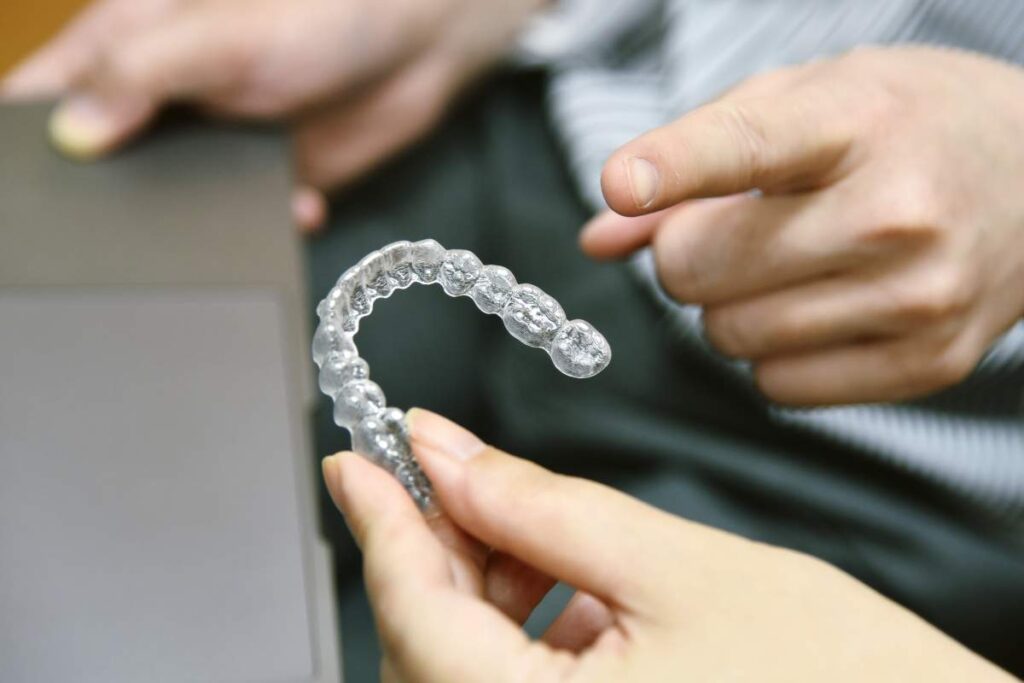
Can orthodontic treatment improve speech?
Sometimes, but not always. Orthodontics can improve speech when tooth position, bite alignment, jaw growth, or the shape of the dental arches interferes with how the tongue, lips, and teeth work together. However, many speech differences have causes that orthodontic treatment alone cannot correct.
Speech depends on coordinated movement of the tongue, lips, jaw, palate, and teeth. The teeth help direct airflow and create contact points for sounds such as s, z, t, d, l, r, f, and v. A pronounced open bite, significant overjet, crossbite, crowding, or other bite irregularity may make certain sounds less precise.
For residents of White Plains, NY, the practical question is usually not whether orthodontics changes speech in general, but whether a specific dental or jaw condition is contributing to an individual’s difficulty.
Which speech problems may be related to the bite?
A bite problem may affect speech clarity when it changes the normal path of the tongue or airflow. Some people notice a lisp-like quality, difficulty producing crisp sibilant sounds, or a tendency for the tongue to press between the teeth.
Possible dental or skeletal contributors include:
- Anterior open bite: The upper and lower front teeth do not meet, which may allow the tongue to move forward during speech or swallowing.
- Excessive overjet: The upper front teeth sit far ahead of the lower teeth and may affect sounds that require the lips and front teeth to work together.
- Crossbite: One or more teeth bite inside the opposing teeth, potentially changing jaw movement and tongue positioning.
- Severe crowding: Limited space may alter where the tongue rests or how it reaches the teeth.
- Jaw discrepancy: A substantial difference in upper and lower jaw position may affect articulation, chewing, and facial muscle coordination.
These conditions do not automatically cause a speech disorder. Many people adapt successfully, and the severity of a bite problem does not reliably predict the severity of a speech difficulty.
Can braces temporarily change the way I talk?
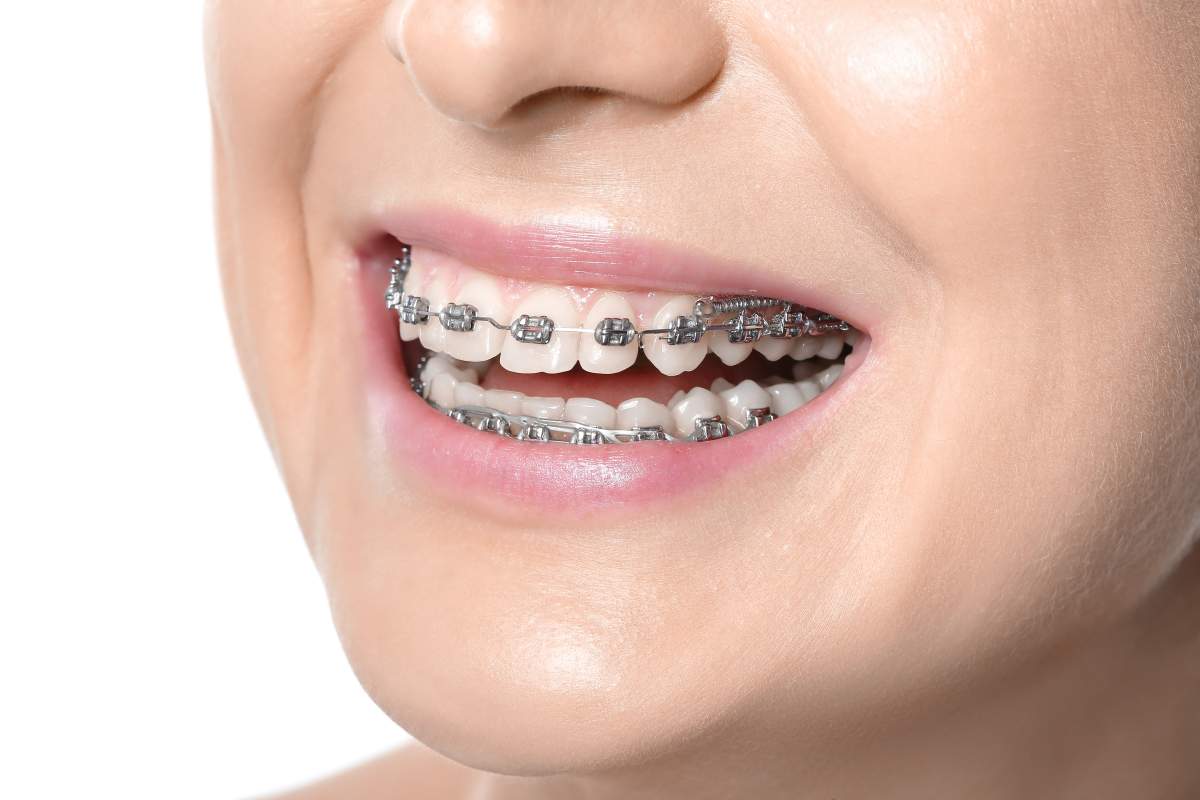
Yes. Braces and other orthodontic appliances can temporarily affect speech because the mouth must adapt to new surfaces and altered available space.
After an appliance is placed, a person may notice:
- A slight lisp or slurring
- Trouble with s, z, t, d, or sh sounds
- Changes in certain vowel sounds
- Increased saliva or a feeling of fullness in the mouth
- Difficulty speaking quickly or clearly during the first several days
These changes are often most noticeable with appliances that sit behind the teeth, expand the palate, or cover part of the roof of the mouth. Removable retainers can also affect speech when first worn.
For many people, speech becomes more natural within days or a few weeks as the tongue and lips learn the new contours. Some sounds, particularly s, may take longer to normalize. Reading aloud for a few minutes each day can help the mouth adapt, although speech should not be forced if an appliance causes pain or is not fitting correctly.
Will speech return to normal after braces or an expander?
In most cases, temporary appliance-related changes improve after the mouth adapts or the appliance is removed. A palatal expander, for example, may make speech less clear during active expansion, but this does not necessarily indicate permanent damage or a poor treatment outcome.
Persistent changes deserve closer evaluation. Ongoing difficulty may reflect:
- An appliance that needs adjustment
- A bite relationship that is still changing
- A pre-existing articulation pattern
- Tongue-thrust or unusual swallowing mechanics
- Nasal obstruction or chronic mouth breathing
- Hearing, developmental, neurological, or structural factors
- A speech-sound disorder unrelated to tooth position
Orthodontic treatment should not be viewed as a guaranteed speech therapy. Its main purpose is to improve tooth alignment, bite function, and jaw relationships. Speech improvement may occur when those structures were contributing to the problem, but it cannot be promised in every case.
Do children benefit more than adults?
Children and teenagers may adapt quickly because their speech patterns and oral motor habits are still developing. Early evaluation can be useful when a child has a noticeable open bite, persistent tongue-forward posture, difficulty closing the lips, or speech sounds that appear to be affected by the teeth.
Adults can also experience speech benefits from orthodontic treatment, especially when a long-standing bite issue limits tongue placement or airflow. Adults may already have well-established compensatory speech habits, however. If the teeth are repositioned, the tongue may need time to develop a new pattern rather than automatically producing clearer sounds.
Age alone does not determine whether orthodontics will help. The relevant factors are the type of speech difficulty, the dental and jaw findings, the person’s ability to adapt, and whether another condition is involved.
Is speech therapy needed along with orthodontics?
Sometimes. Orthodontics addresses the physical arrangement of the teeth and jaws. A speech-language pathologist evaluates how sounds are produced and can work on tongue placement, airflow, oral motor coordination, and established speech habits.
Combined care may be considered when someone has:
- A persistent lisp despite improved tooth alignment
- Tongue thrust or forward tongue placement
- Difficulty coordinating swallowing and speech
- A speech disorder that began before orthodontic treatment
- A structural condition involving the palate, jaw, or facial development
- Speech changes that continue well beyond the expected adjustment period
Orthodontic treatment and speech therapy can complement each other, but neither should be assumed to replace the other. The appropriate sequence depends on the individual findings.
What should I ask before treatment begins?
A useful evaluation should consider both the bite and the speech concern. Questions may include:
- Could the current bite be contributing to the sound difficulty?
- Which sounds or oral movements appear affected?
- Could the appliance temporarily change speech?
- How long is adaptation commonly expected to take?
- Would a speech-language evaluation add useful information?
- Is tongue posture, mouth breathing, or swallowing mechanics part of the picture?
- How will progress be monitored if speech is a major concern?
It can help to describe specific examples rather than simply saying that speech sounds “different.” Note which sounds are difficult, whether the issue occurs in certain words, and whether it appeared before or after an appliance was placed.
When should a speech change be checked promptly?
A new lisp or altered pronunciation after starting orthodontic treatment is commonly temporary. Prompt evaluation is more appropriate if speech changes are sudden, severe, worsening, associated with facial weakness or difficulty swallowing, or accompanied by significant pain, swelling, breathing problems, or an appliance injury.
For a child, persistent unclear speech, frequent mouth breathing, or difficulty coordinating chewing, swallowing, and speaking may warrant assessment even if the teeth appear relatively straight. A dental alignment issue may be only one part of the explanation.
The most accurate answer is individualized: orthodontics can improve speech when tooth or jaw relationships interfere with articulation, but speech outcomes depend on the cause. Clear communication among the patient, dental team, and speech-language professional provides a more reliable path than assuming that straightening teeth alone will resolve every speech concern.