

 See My Latest Article on HelloNation
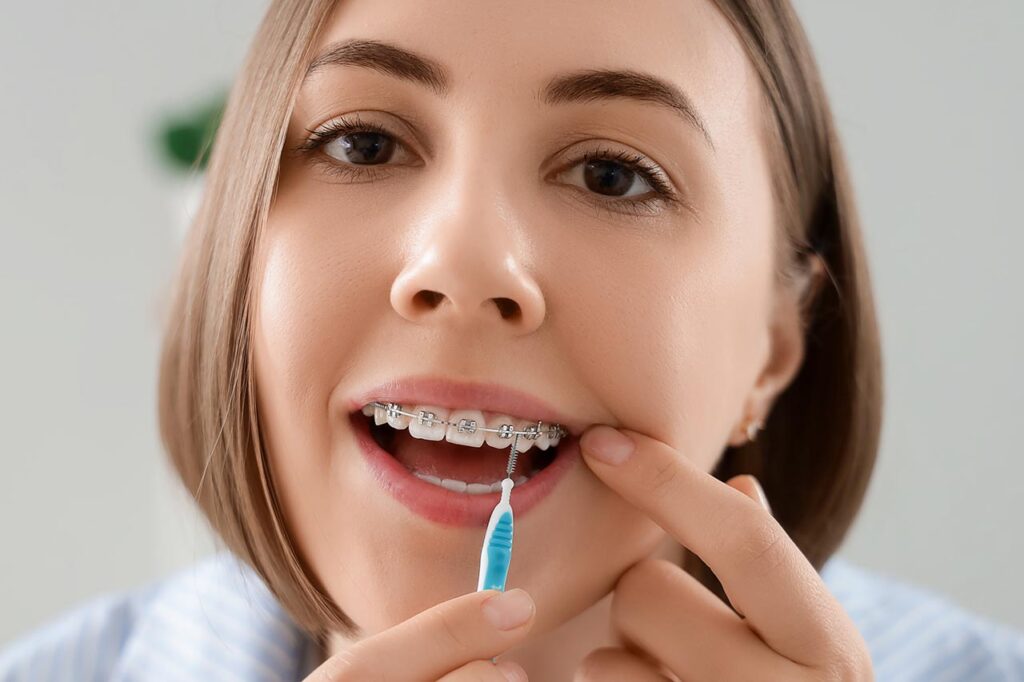
Why Does Braces Care Require Extra Attention?
Braces add grooves, wires, and brackets to your teeth, which means more surfaces where food and plaque can hide. For people in White Plains, NY, keeping up with daily oral hygiene is especially important because the seasonal swings—from dry heated air in winter to humid summers—can impact your oral comfort and create unique cleaning challenges.
Extra care during orthodontic treatment helps prevent issues such as cavities, gingivitis, and staining around brackets. This reduces the need for additional dental work after the braces come off and helps maintain fresh breath all year long.
How Should You Brush with Braces?
Brushing with braces is different than brushing teeth without them. Standard techniques may leave behind bacteria or food particles caught under wires and around brackets.
- Use a soft-bristled toothbrush—manual or electric—angled at 45 degrees toward the gumline.
- Begin by gently brushing along the top of each bracket, then shift the angle to brush underneath.
- Brush each tooth in small circles, ensuring you clean above, below, and directly on the brackets.
- Spend at least two minutes—not rushing—paying extra attention to back teeth and hard-to-reach molars.
- Replace your brush or brush head often; bristles wear out faster when brushing against brackets and wires.
In homes with hard water—a common feature in some White Plains neighborhoods—deposits may make rinsing more important to prevent residue build-up on both braces and teeth.
What’s the Best Way to Floss with Braces?
Traditional flossing isn’t easy when wires get in the way. Fortunately, there are several solutions:
- Floss threaders: These small, reusable tools pull dental floss under the wires, so you can gently move it up and down between each tooth.
- Orthodontic floss: Specially designed with a stiff tip, this floss is easier to guide under brackets.
- Water flossers: Using a stream of water, these devices can wash out debris that traditional floss might miss—even around brackets and under wires.
For area households with young teens or those with less dexterity, water flossers can be a practical tool. No matter which option you choose, be gentle—forcing floss can damage wires or irritate your gums.
Are There Foods That Make Cleaning More Difficult?
Certain foods make life with braces messier, especially during local celebrations or school lunches. Sticky candies, chewy bagels, fibrous raw veggies, and crunchy chips often cling to hardware or break into pieces that wedge between teeth.
- Avoid sticky and hard foods such as popcorn and caramel.
- Cut crisp fruits and vegetables into small pieces.
- Rinse with water after meals and snacks to dislodge bits that might otherwise go unnoticed.
- If you have outdoor picnics or family events at local parks, consider packing braces-friendly options that are easier to clean up after.
Seasonal fruit picking and outdoor activities often mean eating on the go; keeping a travel toothbrush or disposable dental picks handy can help prevent build-up when you’re away from home.
How Can You Prevent White Spots or Decalcification?
White spots, also called decalcification, are early signs of enamel breakdown. These areas are more likely to appear when plaque sits on teeth for too long—common if brushing or flossing is missed.
- Use a fluoride toothpaste to help protect and restore enamel.
- Brush after every meal, especially if you eat sugary or acidic foods popular during local events and holidays.
- Swish with water if you can’t brush right away.
In White Plains, fluctuating temperatures can lead to dry mouth during winter. Dryness reduces saliva’s natural ability to wash away debris, making it even more important to keep up with hydration and regular cleaning routines.
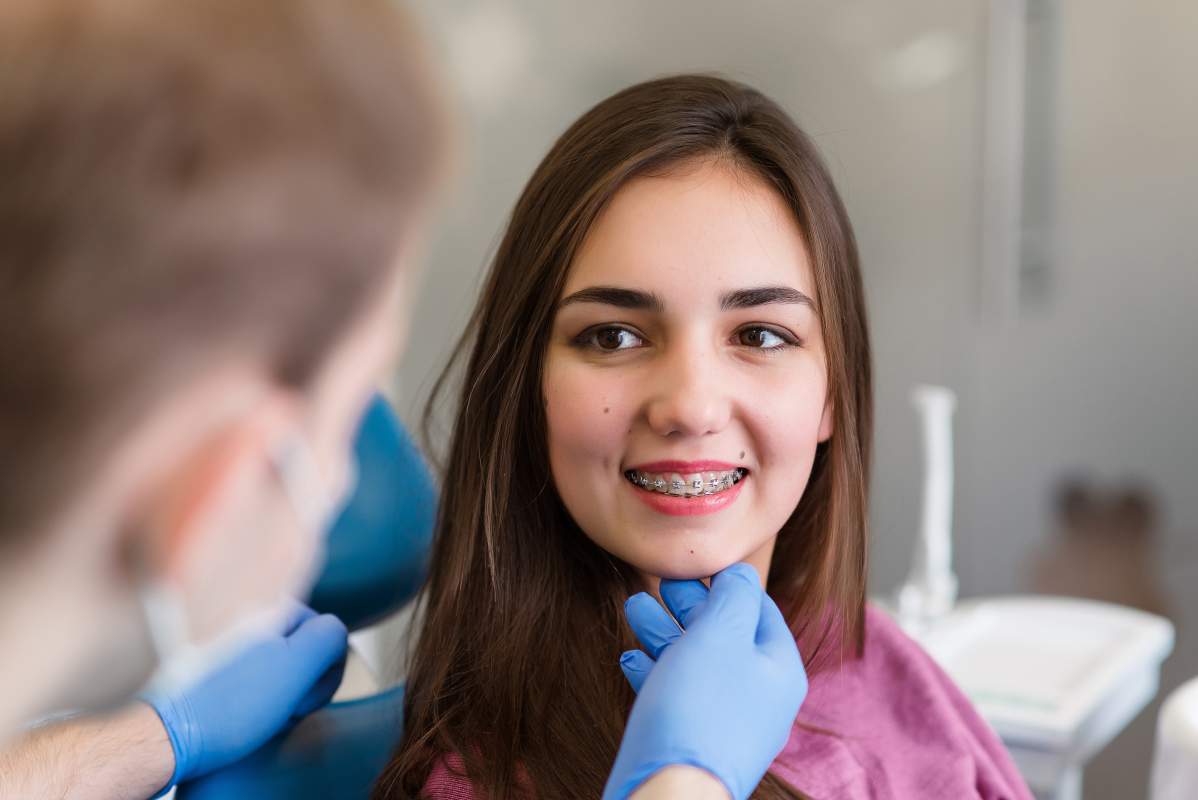
How Often Do You Need to Clean Your Braces and Retainers?
Daily cleaning is essential. Braces should be brushed every morning, after meals, and before bed. Removable appliances, such as clear aligners or retainers, also need to be cleaned every day.
- Rinse removable appliances with water before putting them back in your mouth.
- Use a soft toothbrush—never hot water—and avoid harsh cleansers that could damage plastics.
- Store removable appliances in their case, and avoid leaving them out where they could collect dust, debris, or attract pets.
For local residents with active outdoor lifestyles—dog walking in local parks or hiking nearby trails—cleaning removable appliances after outside exposure is an important habit to develop.
Are There Common Mistakes People Make?
Many people assume occasional brushing or skipping steps won’t make much difference. In reality, regular lapses can cause serious oral health issues.
Some overlooked factors include:
- Brushing too hard—this can irritate gums or damage hardware.
- Rushing oral care during busy mornings before school or work.
- Forgetting to brush around brackets and under wires.
- Using whitening toothpaste with braces, which can lead to uneven coloring.
Monitoring children’s or adolescents’ brushing routines can help prevent these mistakes, especially in busy households getting used to a new schedule after braces are placed.
What Local Conditions Affect Oral Care with Braces?
White Plains households often experience seasonal allergy symptoms, leading to more mouth breathing. This dries out oral tissues and can increase the risk of plaque build-up. Homes with forced-air heating systems can also create drier conditions, so keep water accessible and encourage rinsing.
Indoor sports, chilly weather, and frequent snacking during local events or indoor recreation make it easy to skip regular brushing. Sticking to a routine—like brushing before heading out or after returning home—can help area families combat these local challenges.
What If You Have Trouble Following the Routine?
If managing oral hygiene becomes overwhelming, start by establishing a simple routine and setting reminders. Visual schedules or checklists can be especially helpful for children or teens in the city’s busy, active families. If you wear braces and participate in after-school activities, keep a small oral care kit in your backpack, locker, or car.
Staying consistent—even on weekends or holidays—makes it easier to keep braces clean and reduces the risk of longer-term oral health problems.