

 See My Latest Article on HelloNation
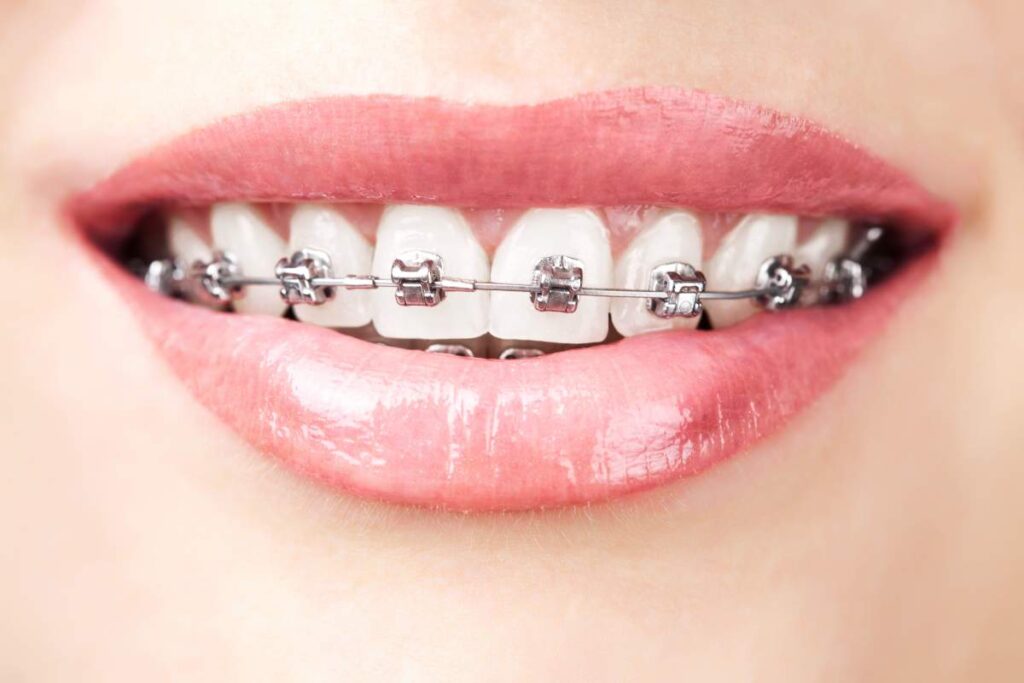
The first braces appointment is usually easier for a child when they know what will happen and understand what is expected of them. Preparation does not require special equipment or a major change in routine; it mainly involves gathering health information, discussing expectations, and making the visit feel familiar rather than mysterious.
What happens at the first braces appointment?
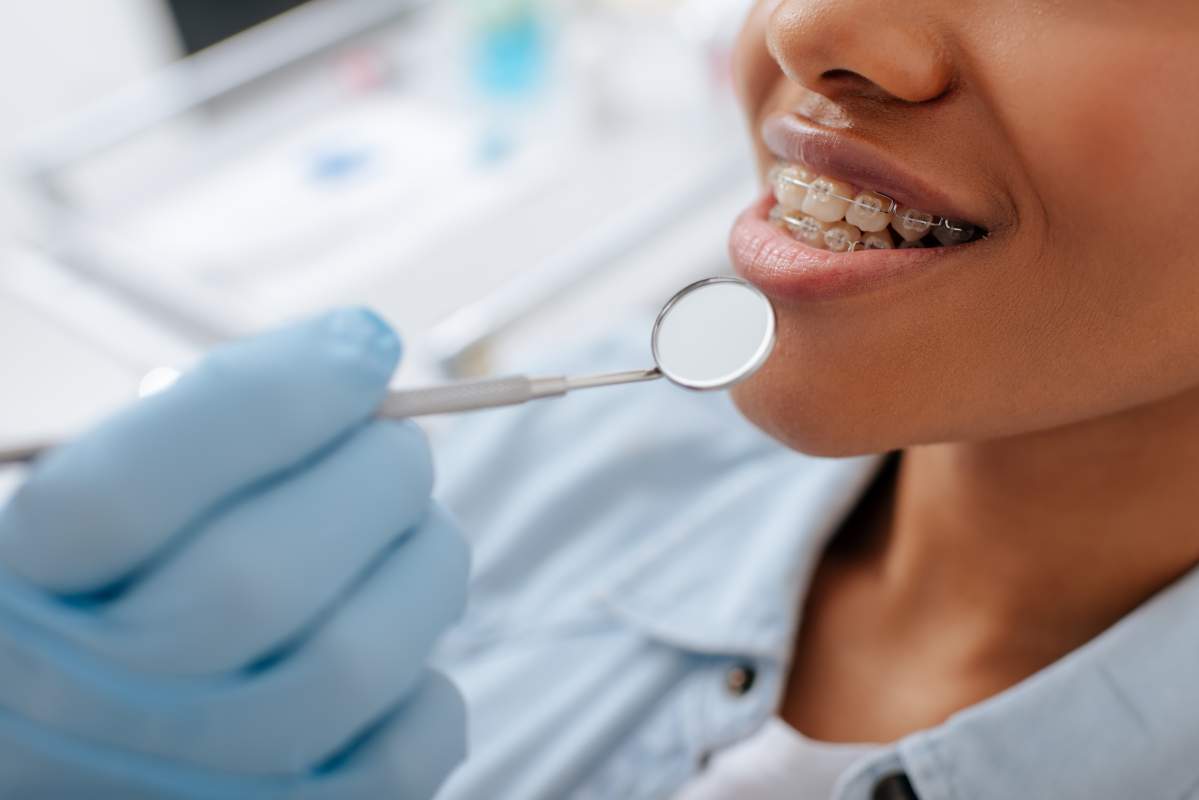
The first visit typically includes an orthodontic examination, a review of dental and medical history, and discussion of whether treatment is appropriate now or later. Braces are not always placed during this appointment.
The orthodontic team may:
- Examine the teeth, bite, jaw alignment, and facial growth
- Ask about thumb-sucking, mouth breathing, tooth grinding, or jaw discomfort
- Review previous dental treatment and current oral-hygiene habits
- Take photographs, dental scans, or X-rays when needed
- Explain possible treatment options and timing
- Discuss what the child may need to do before braces are placed
Some children are ready for treatment immediately, while others may benefit from monitoring as adult teeth come in or facial growth continues. A first evaluation is often an information-gathering visit rather than a commitment to begin treatment.
How should parents explain the visit?
Use simple, accurate language and avoid presenting the appointment as something scary or painful. A child can be told that the orthodontist will look at how the teeth fit together, take pictures or measurements, and explain ways to help the teeth grow into a healthier position.
It may help to say:
> “You will get to see pictures of your teeth, and the orthodontist will check how they line up. You can ask questions at any time.”
Avoid promising that the visit will be completely painless, since unfamiliar sensations can still feel uncomfortable. Instead, explain that some parts may feel unusual but that the child can speak up if something hurts, feels overwhelming, or needs to be explained again.
Children often take emotional cues from adults. A calm, matter-of-fact explanation is generally more reassuring than repeated reminders not to worry.
What should a child wear and bring?
Comfortable clothing is appropriate. There is usually no special dress requirement, but a child who feels physically comfortable may have an easier time sitting through an examination or imaging.
Bring:
- A list of medications, allergies, and relevant medical conditions
- Information about previous dental care or oral injuries
- Any removable dental appliances currently being used
- Questions about treatment, school routines, sports, music, or meals
- Insurance or health-history information if requested during registration
If the child has sensory sensitivities, anxiety, a developmental condition, or difficulty tolerating dental instruments, mention this before or at the beginning of the visit. That information can help the team adjust explanations, pacing, and communication.
Should a child eat before the appointment?
Unless the orthodontic office has given different instructions, a normal meal or snack before the visit is usually reasonable. Arriving hungry can make a child more irritable or less able to concentrate.
If braces or another appliance might be placed during the first visit, a moderate meal beforehand may be practical. Very sticky or hard foods are not necessary, and children should not be encouraged to overeat in anticipation of the appointment.
For households managing busy school and work schedules, planning a familiar meal earlier in the day can reduce rushing. This can be especially useful during winter weather, when travel delays or bulky clothing may make the trip take longer than expected.
What questions should parents ask?
A first visit is a useful time to clarify the child’s specific situation. Questions may include:
- What dental or bite concern is being evaluated?
- Is treatment needed now, or is observation appropriate?
- Which teeth or jaw relationships are involved?
- What types of appliances might be considered?
- How could treatment affect brushing, eating, speech, sports, or music?
- What symptoms should be reported between visits?
- How often are follow-up visits usually needed?
- What happens if a bracket, wire, or appliance becomes loose?
- Are there activities or foods that may need to be modified?
- What should the child continue doing at home before treatment begins?
Parents can also ask the child what they are most curious or worried about. A question that seems minor to an adult—such as whether braces will interfere with lunch, singing, or wearing a sports mouthguard—may be central to the child’s comfort.
How can a child prepare emotionally?
Children differ widely in how they respond to new medical or dental experiences. Some want detailed explanations, while others prefer only a brief overview. Follow the child’s communication style rather than giving more information than they can process.
Helpful preparation may include:
- Looking at a simple diagram of teeth and braces
- Practicing how to ask for a break
- Writing questions down together
- Bringing a quiet activity for waiting periods
- Arriving with enough time to avoid a hurried entrance
- Agreeing on a calming strategy, such as slow breathing
A child should know that asking questions is acceptable. They can also be reminded that the adult accompanying them will be available to help explain information and remember instructions.
Avoid using braces as a threat or suggesting that treatment is a punishment for poor brushing. Orthodontic care involves cooperation, but shame can make children less willing to discuss discomfort or difficulty following instructions.
What if braces are placed during the first visit?
If treatment begins during the initial visit, the child may notice pressure, tightness, or tenderness afterward. These sensations are usually related to the teeth beginning to respond to gentle forces. The mouth may also feel unfamiliar around brackets or wires.
Before leaving, make sure the child understands:
- How to brush around the appliance
- Which foods or habits could damage brackets or wires
- What to do if a component feels loose or irritating
- Whether a mouthguard is needed for sports
- Which over-the-counter pain-relief options are appropriate, if any
Soft foods can be convenient for the first day or two if chewing feels uncomfortable. Examples may include yogurt, eggs, pasta, oatmeal, soup that is not too hot, or other foods the child already tolerates well. The goal is comfort, not a restrictive diet.
How should school, sports, and activities be handled?
Most children can continue attending school and participating in ordinary activities after braces are placed. A child may need a short adjustment period for speaking, eating, or becoming accustomed to the appliance.
For sports, ask whether a mouthguard is recommended and which type is compatible with braces. Children involved in music may want to know whether braces could affect playing a wind instrument or singing. These concerns are worth raising before treatment starts so that practical adjustments can be discussed.
Families in White Plains may also need to account for seasonal schedules, school transportation, indoor sports, and winter travel conditions when planning follow-up visits. Keeping appointment information in a shared calendar can help prevent missed visits during busy months.
What should parents watch for after the visit?
Mild tenderness, cheek irritation, or increased awareness of the appliance can occur after braces are placed. These issues should gradually improve. The child should tell an adult if pain is severe, persistent, or associated with swelling, fever, injury, or difficulty swallowing or breathing.
A loose wire or bracket is not always an emergency, but it should be reported so the family can receive instructions. Until guidance is available, the child should avoid manipulating the appliance with fingers or sharp objects.
The first appointment is most successful when the child leaves knowing what happened, what to expect next, and how to communicate discomfort. Preparation should focus less on making the visit seem perfect and more on helping the child feel informed, respected, and ready to participate.