

 See My Latest Article on HelloNation
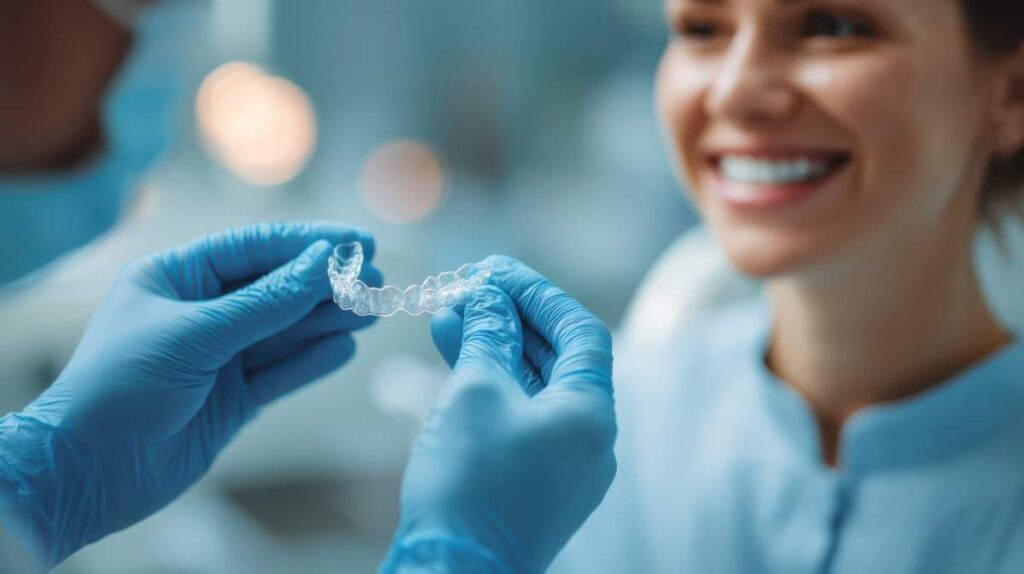
How Often Are Check-Ups Needed During Orthodontic Treatment?
Most patients in White Plains, NY will visit their orthodontist every 4 to 8 weeks during active treatment. These regular visits are crucial for monitoring progress, making necessary adjustments, and ensuring teeth are moving as planned.
The recommended interval may shift depending on your specific type of treatment, oral health, and personal schedule. While the majority of orthodontic patients return every few weeks, your provider will personalize the timeline based on your needs, the devices in use (braces, aligners, expanders), and how your teeth and gums respond.
Why Are Regular Visits Necessary?
Consistent appointments are more than routine check-ins—they allow for careful, hands-on adjustments and troubleshooting. Orthodontic appliances require ongoing monitoring for effectiveness and safety. Brackets may loosen, wires could break, or aligner trays might need replacing due to wear or fit issues.
Without timely visits, gentle pressure on your teeth can become uncontrolled, potentially causing discomfort or delaying treatment. Local households often find that coordinated scheduling—especially around school calendars and work demands—helps minimize missed or rushed adjustments. White Plains residents can sometimes plan around seasonal events or weather patterns, as winter storms and busy autumns affect travel and appointment timing.
Do Appointment Schedules Change Based on Appliance Type?
Yes—treatment methods impact how frequently patients should return:
- Traditional Braces: Typically every 4-6 weeks for tightening wires, checking progress, and addressing minor repairs.
- Clear Aligners: Visits usually happen every 6-8 weeks, since patients switch trays at home, but check-ins verify compliance and fit.
- Expanders or Specialized Appliances: Schedules may be adjusted, with some tools requiring visits every 2-4 weeks at the beginning, then less often as treatment stabilizes.
Young children, teens, and adults in White Plains may all follow slightly different routines. Early-stage orthodontics often needs more supervision, especially when managing erupting teeth or growth patterns commonly seen in school-aged children.
What Happens During These Visits?
Orthodontic check-ups in the city are usually brief and focused. Here’s what generally occurs:
- Progress evaluation—tracking tooth movement and device fit
- Tightening or replacing wires and bands (for braces)
- Checking for oral hygiene issues, such as swollen gums or unwanted plaque buildup
- Providing new sets of aligners and checking for damage
- Offering advice for cleaning around brackets or managing discomfort
These appointments are also a good opportunity for patients and families to mention any problems, from poking wires to concerns about alignment changes in between visits.
Can Skipping Visits Affect My Results?
Missing visits can extend overall treatment time or compromise results. Orthodontic care relies on a delicate balance: too few adjustments and teeth may stall or drift incorrectly; unsupervised appliances can damage gums or enamel.
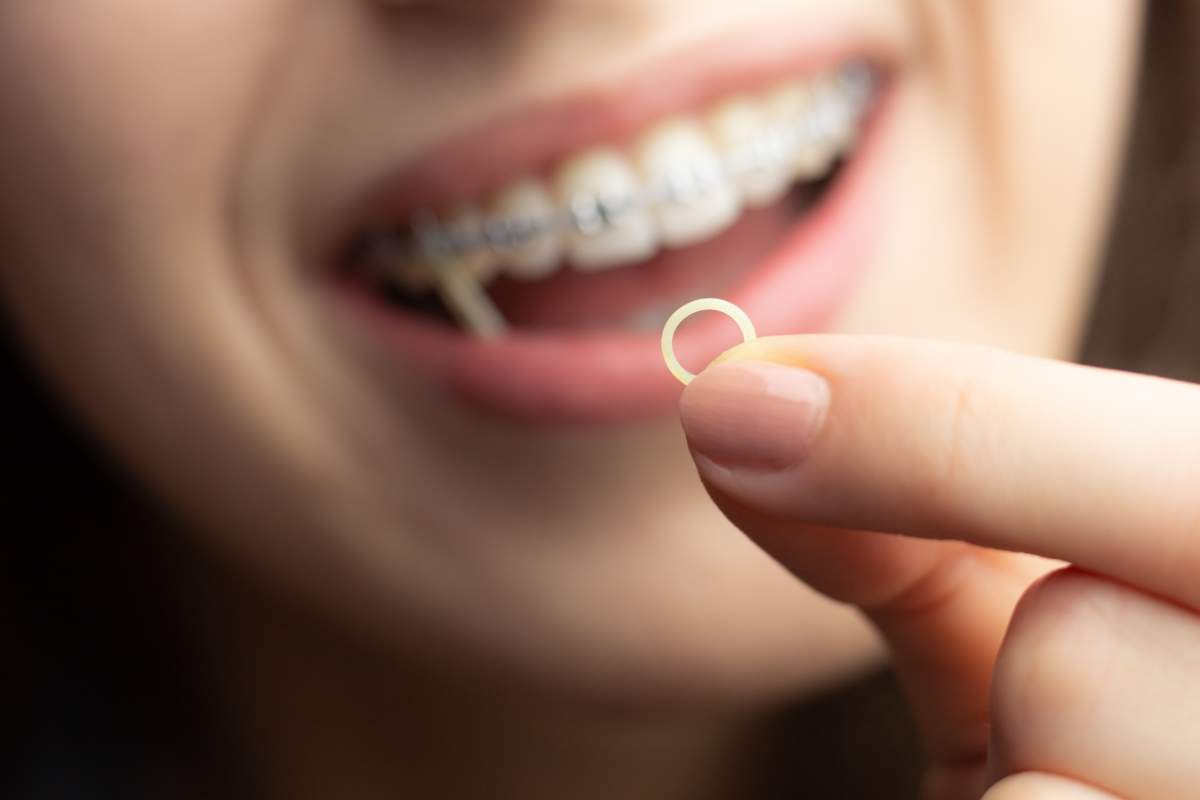
Participation is particularly important in White Plains, where busy lifestyles and seasonal weather can complicate scheduling. If weather emergencies or unexpected school closures make getting to your appointment difficult, communicate with your orthodontic office to delay safely—never try to adjust wires or appliances at home.
Do Visit Schedules Change for Retainers or After Braces?
Yes, the frequency drops dramatically once active treatment ends. After appliance removal, patients are usually seen once a few weeks later, and then every few months during the retention phase.
Wearing a retainer and attending periodic follow-ups is essential to prevent teeth from shifting back. The early months are most critical, though long-term check-ins (typically every six months to a year) help identify any relapse or fit issues before they become bigger problems.
What Factors Might Shorten or Lengthen My Treatment Timeline?
Everyone’s teeth move at a slightly different pace. Some factors that might affect your appointment schedule:
- Gum or dental health—untreated cavities or inflammation require addressing before adjustments
- Broken appliances—an urgent visit may be needed if wires snap or brackets detach
- Oral hygiene—good brushing and flossing help treatment stay on track
- Growth spurts in children and teens—rapid changes might call for more frequent visits
Local families sometimes find that busy school, work, or community activities mean needing later or weekend appointments. Most orthodontic offices in the area offer accommodations or flexible scheduling, but more frequent visits may be required if issues arise.
What Should I Do If I Can’t Make an Appointment?
If work, school activities, or transportation challenges make it tough to attend a scheduled visit, reschedule promptly. Especially in a climate with unpredictable winter storms and dense commuter schedules, missed appointments are a reality for many area residents.
Letting your orthodontic office know as soon as possible allows them to adjust your treatment plan and reserve another convenient slot. They can also give guidance for minor issues that may come up before your next visit—such as how to handle loose wires or misplaced aligners until you can be seen safely.