

 See My Latest Article on HelloNation
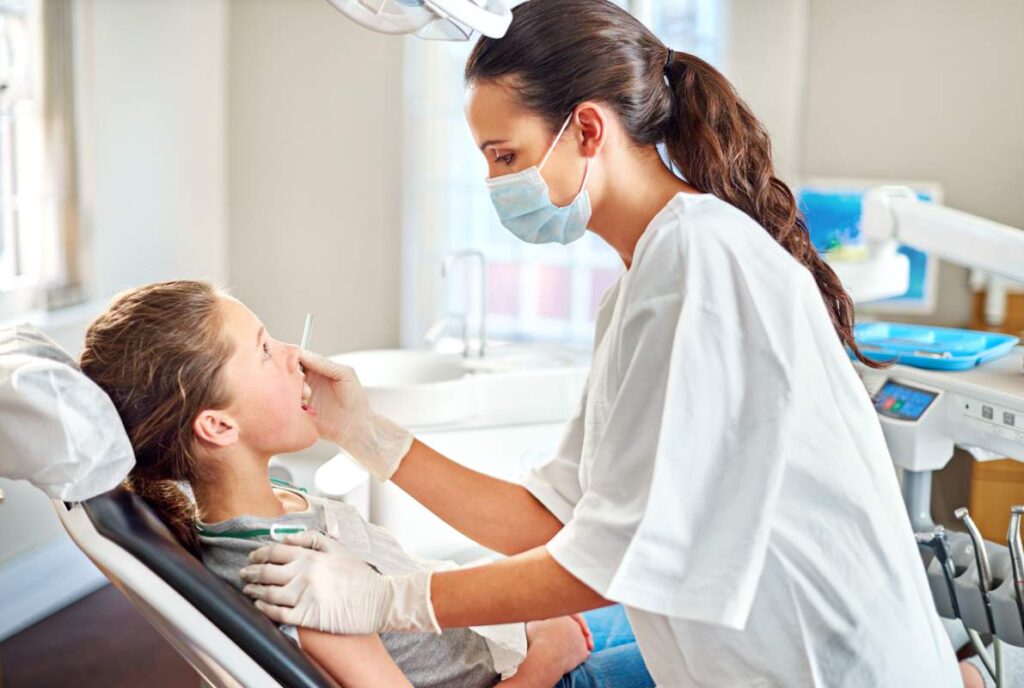
Are Braces Only for Teenagers?
Braces are commonly associated with adolescents, but orthodontic care is not limited by age. Local adult residents often wonder if they are "too old" for treatment—this is a myth.
While most people in White Plains begin orthodontic treatment during middle or high school, many adults seek care for various reasons, such as correcting minor crowding, preparing for restorative dental work, or simply wanting a straighter smile. Advancements in orthodontic techniques mean that healthy teeth can be moved safely at almost any age. Practical concerns for adults may include workplace appearance or balancing family and work responsibilities during orthodontic appointments, but age alone isn't a barrier.
Do Orthodontic Treatments Only Improve Appearance?
Orthodontic care does more than realign teeth for appearance. In White Plains, functional benefits are also a real focus.
Straightening teeth with braces or aligners can:
- Improve chewing efficiency and digestion
- Reduce excessive wear from a poor bite
- Make oral hygiene easier, lowering the risk of cavities and gum disease
Some people also seek treatment to alleviate jaw discomfort or address speech difficulties linked to tooth alignment. While aesthetics matter, orthodontics often supports both dental health and comfort for local families and adults.
Can Orthodontic Treatment Damage Teeth?
When performed by a qualified provider and paired with proper home care, orthodontics is generally safe. However, myths linger about risks to teeth and gums.
Potential problems usually stem from:
- Poor oral hygiene during treatment, which can allow plaque to cause decay or gum issues
- Not following instructions, such as avoiding very sticky or hard foods with braces, which can cause breakages
Orthodontic appliances themselves do not "ruin" teeth. In fact, with regular brushing, flossing, and check-ups, most White Plains residents complete treatment with healthier smiles. Deliberately skipping routine care, however, can result in long-term issues, so following daily recommendations is essential.
Is Orthodontic Care Only About Metal Braces?
Many still think of orthodontics as metal brackets and wires alone, but the field has expanded significantly.
Residents now have options such as:
- Clear or ceramic braces that are less noticeable
- Removable aligners (e.g., clear trays)
- Less visible appliances for some cases
Not every option fits every situation, but people in the area often find that orthodontics is more discreet and comfortable than in decades past. Technological advances have made treatments faster, more adaptable, and more suited to busy lifestyles.
Is Orthodontic Treatment Always Painful?
The anticipation of pain causes anxiety for many seeking orthodontic care. Most people in White Plains experience only mild discomfort, usually right after appliances are adjusted.
This discomfort typically:
- Lasts a few days
- Can be managed with over-the-counter pain relief
- Decreases once the mouth adapts to the appliances
Severe or prolonged pain is uncommon and should be professionally evaluated. Overall, fears about pain are often greater than the reality.
Can Orthodontics Fix Any Tooth or Jaw Problem?
Orthodontic care works well for most alignment issues, but not every situation can be solved solely with braces or aligners.
Complex circumstances—such as significant jaw discrepancies, missing teeth, or other underlying dental problems—may require a combination of orthodontic work, oral surgery, or other specialty care. Residents in properties with older plumbing or challenging access may also have unique concerns regarding home oral hygiene and appliance care, but most households can adapt typical instructions to their needs.
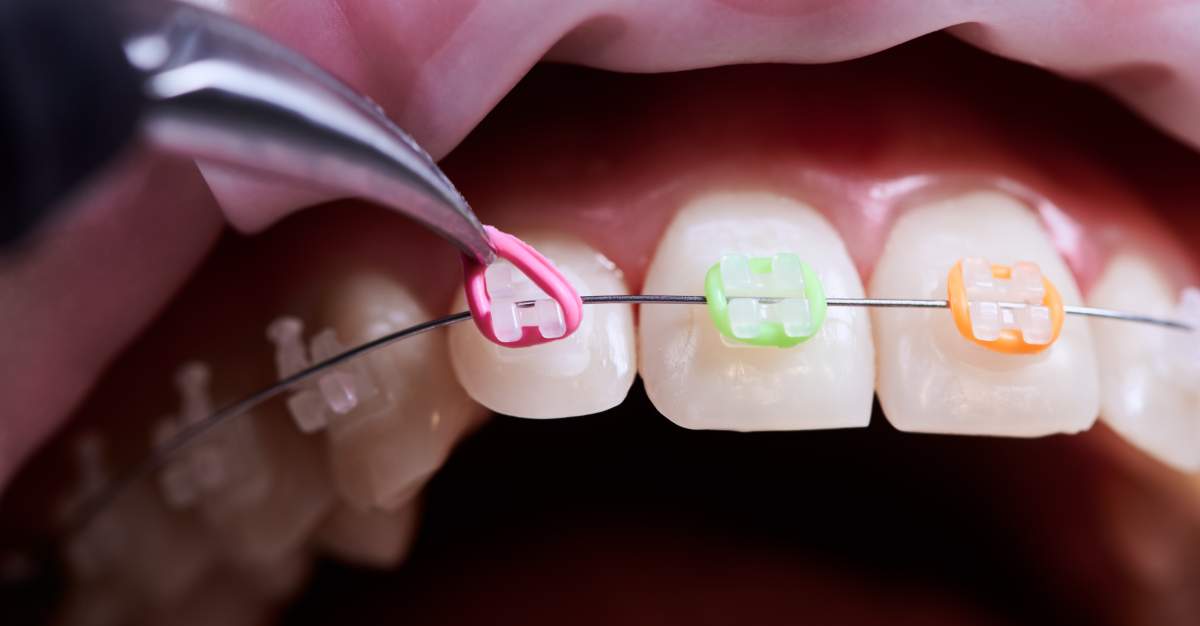
For most typical dental crowding or spacing, orthodontics is effective, but expectations should be practical.
Are Orthodontic Results Always Permanent?
After treatment, teeth tend to shift slightly over time—a normal biological process called relapse.
To maintain results:
- Consistent retainer use (as instructed) is key
- Occasional checks may be suggested
In the White Plains community, busy lives and changing routines sometimes make retainer use challenging. Discussing realistic home care plans with your provider helps ensure good long-term results.
How Long Does Orthodontic Treatment Take?
No two treatment plans are identical. The timeline often ranges from several months to a few years, depending on the complexity and the resident's diligence with appointments and instructions.
Factors influencing treatment length:
- Severity of alignment or bite issue
- Appliance type
- Adherence to recommendations (wearing appliances as directed, keeping up with oral hygiene)
Residents juggling school, work, or family routines might wish for quick solutions, but steady, consistent progress is what achieves the safest, most predictable outcome.
Do All Crooked Teeth Require Braces?
Not every case of crooked or crowded teeth merits orthodontic treatment. Mild issues that do not compromise oral health, function, or personal confidence may not require intervention.
Area residents with minor misalignment often make decisions based on:
- Function (can they chew comfortably?)
- Hygiene (is cleaning teeth easily achievable?)
- Self-confidence or aesthetic preference
When teeth are only slightly out of place and there are no related problems, observation and routine care may be all that’s recommended.