

 See My Latest Article on HelloNation

What Does a Retainer Do After Orthodontic Treatment?
A retainer plays a crucial role in preserving the alignment of your teeth after braces or clear aligners. Though orthodontic treatment finishes when the main appliances are removed, your teeth and jaw are still settling into their new positions. Retainers help keep your smile stable while your bone and gums adapt to these changes, especially in the first year following treatment.
What Might Happen If You Stop Wearing Your Retainer?
If you stop wearing your retainer, your teeth may gradually shift out of alignment. This process, known as relapse, happens because:
- Teeth can “remember” their old positions, especially within the first few months after orthodontic treatment.
- The pressure from everyday activities such as chewing, talking, and even sleeping can influence tooth movement.
- As new bone forms around your teeth, it needs time to harden and set—retainers support this process.
In White Plains, even small changes in routine (like missing retainer use during busy fall sports or summer travel) can start this shift.
How Quickly Can Teeth Move Without a Retainer?
Tooth movement mainly depends on how long you have been out of braces or aligners and your unique dental history. Most people will not notice dramatic changes overnight, but subtle misalignments can appear in a matter of weeks if a retainer is skipped entirely. For some, especially teens and young adults, crowding or gaps may become noticeable within a month.
Factors accelerating relapse in area households include:
- Incomplete wear during the initial post-treatment period
- Natural aging, which shifts teeth over time
- Teeth grinding at night, common in the local workforce facing high-stress routines
Are the Changes Permanent if a Retainer Is Forgotten For a While?
Short lapses of a few nights may only result in mild tightness when the retainer is worn again, which means the teeth have shifted just slightly. Extended breaks, such as several weeks or months, let teeth migrate further.
In many cases, especially if a retainer feels uncomfortable or doesn't fit at all after time away, the changes can become difficult or impossible to reverse without additional orthodontic treatment.
Do Teeth Always Shift the Same Way?
Not all teeth respond equally to the lack of a retainer. Front teeth (especially lower incisors) tend to move faster and become crooked more quickly. In some adults living in White Plains, mild crowding of the lower front teeth is a common relapse pattern years after finishing braces.
Local teens may also notice small gaps reopening between teeth that were originally separated before treatment, depending on their natural tooth positions.
Can Skipping a Retainer Change Your Bite?
Beyond just straightness, your bite can also be affected by not wearing a retainer. Slight tooth movements can alter how the upper and lower teeth fit together, sometimes causing:
- Increased overbite or overjet, which can affect chewing and speech
- Stress on jaw joints, potentially leading to discomfort or clicking sounds
- A less secure fit for flossing and cleaning between teeth
These concerns may be more noticeable in the city’s households with varied dietary habits, as changes in bite can make eating certain foods less comfortable.
Will Gaps or Crowding Come Back?
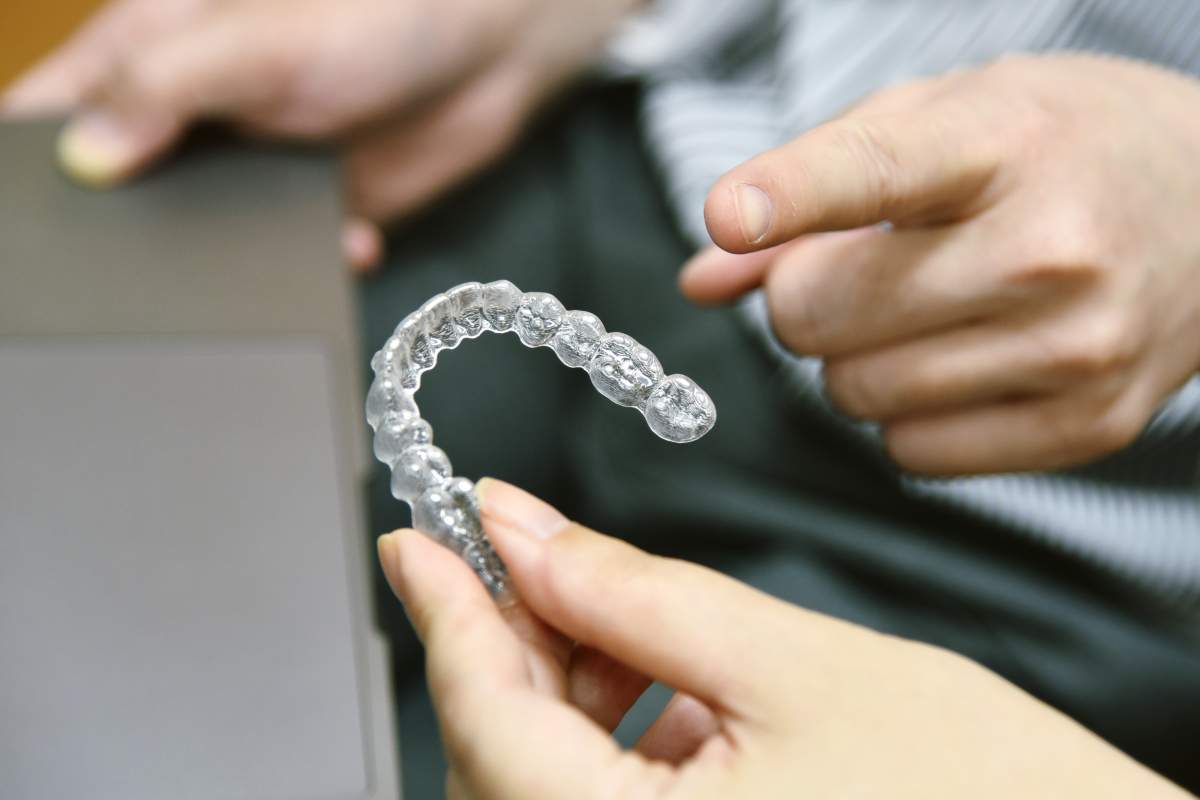
The return of gaps (spaces that were closed during orthodontic care) is possible, especially for those who had larger spaces initially. Conversely, mild to moderate crowding, especially in the lower front teeth, is also a frequent relapse pattern for adults and teens.
Lifestyle changes, like moving to a new sleep pattern or participating in higher-contact sports typical in area schools, may amplify these shifts due to increased nighttime pressures on the teeth.
Is It Ever Too Late to Restart Retainer Use?
If it’s only been a short while since missing retainer use, gently placing the retainer back in (even if it feels tight) may help prevent further shift. However, if the retainer no longer fits properly or causes pain, forcing it may damage your teeth or the device.
For local residents returning to a retainer after a break, monitor for:
- Persistent pain or inability to seat the device fully
- Noticeable changes in tooth position
- Cracks or wear in the retainer
These signs may mean a new assessment is needed before resuming regular retainer use.
Common Misconceptions About Retainers
Many White Plains households believe teeth stay straight forever once orthodontic devices come off. In reality:
- Changes in tooth position are lifelong; risk is highest in the months after treatment but continues for years.
- Retainer wear often needs to be part of a weekly or nightly routine long-term, even for adults.
- Occasional skipping can quickly become a habit, increasing the risk of relapse.
Even local families who finished treatment years ago might notice slow, subtle changes without consistent retainer use.
What Can Residents of White Plains Do to Protect Their Results?
Keeping a retainer part of your regular routine—much like seasonal household maintenance or dental checkups—offers the simplest way to safeguard the investment in your smile. Replacing worn or lost retainers promptly, cleaning them as directed, and storing them safely in the city’s humid summer conditions can all improve longevity and effectiveness.
Open communication with a dental professional may be especially useful during times of schedule changes (such as at the start of local school semesters or job transitions), when forgetting retainer wear is more common.