

 See My Latest Article on HelloNation
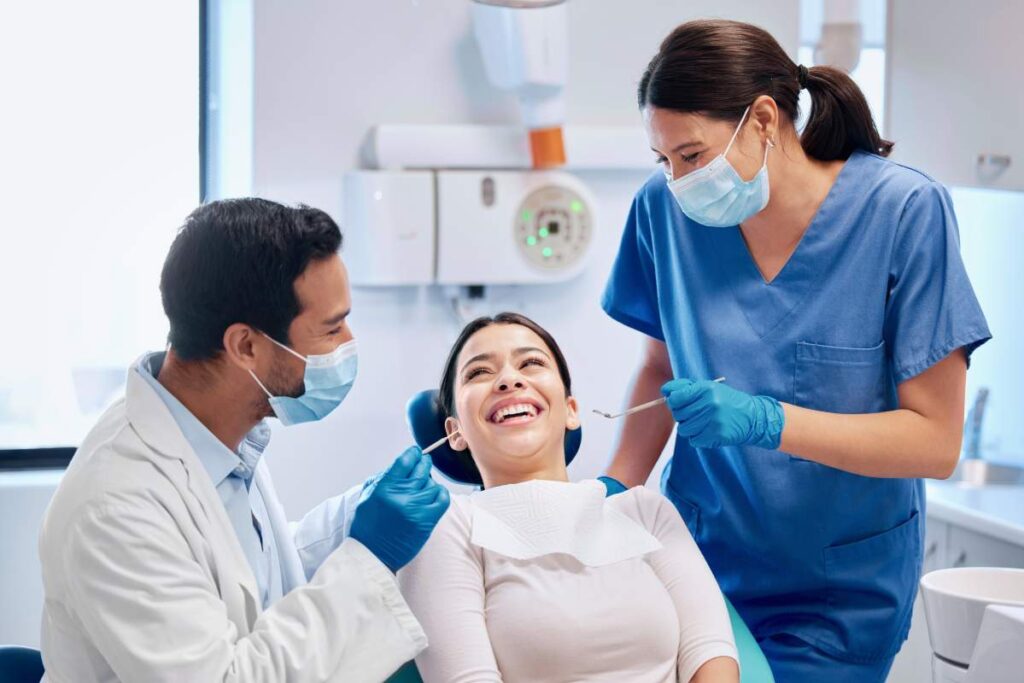
Clear aligners can work as well as braces for many children, teenagers, and adults—but not for every orthodontic problem. The deciding factors are the complexity of the tooth and jaw issue, the patient’s age and dental development, oral health, and the ability to wear removable trays as directed.
For residents of White Plains, NY, the choice is best understood as a clinical decision rather than a question of which option is newer or less noticeable.
Do clear aligners work as well as braces?
Clear aligners are effective for many mild to moderate orthodontic problems, including crowding, spacing, crooked teeth, and some bite irregularities. Braces remain more versatile for severe crowding, major bite discrepancies, impacted teeth, significant tooth rotations, and some jaw-related problems. ([aaoinfo.org](https://aaoinfo.org/treatments/braces/?utm_source=openai))
Braces are fixed to the teeth and apply continuous force. Aligners are removable trays that move teeth in a planned sequence. Because aligners depend on consistent wear, they may be less predictable when trays are frequently removed, misplaced, or not worn for the prescribed amount of time.
Neither treatment is automatically better. A thorough examination, dental imaging, and evaluation of the bite are needed to determine which method is likely to produce the most reliable result. ([aaoinfo.org](https://aaoinfo.org/whats-trending/braces-vs-clear-aligners/?utm_source=openai))
Are aligners appropriate for children?
Sometimes, but age alone does not determine suitability. A child’s stage of dental development matters more than the number of birthdays.
Younger children may still have many primary teeth, developing permanent teeth, or jaw-growth concerns. In those situations, treatment may involve monitoring, an appliance that guides jaw development, partial braces, or a staged approach rather than a full set of clear aligners. The American Association of Orthodontists recommends an initial orthodontic evaluation around age 7 because certain eruption and jaw-development concerns can be identified early. ([aaoinfo.org](https://aaoinfo.org/treatments/braces/?utm_source=openai))
Aligners may be considered for some older children and teenagers, particularly when most permanent teeth are present. However, children may have more difficulty:
- Keeping track of trays at school, during sports, or while traveling
- Wearing aligners for the required number of hours
- Remembering to put trays back after meals
- Cleaning both teeth and aligners consistently
- Avoiding damage to trays from heat or chewing
For a busy school year or an active household, the removable nature of aligners can be either convenient or challenging. Braces eliminate the daily decision of whether to put the appliance back in, but they require careful brushing around brackets and avoiding foods that can damage wires or brackets.
Do teenagers usually get the same results with aligners as with braces?
Teenagers can often achieve good results with either option when the treatment plan matches the problem and instructions are followed. Aligners may be useful for teens who are responsible with removable appliances and who have problems within the range aligners can predictably correct.
Braces may be more dependable when a teenager has substantial crowding, an uneven bite, teeth that need significant rotation, or a tooth that must be guided into the dental arch. Braces may also be preferable when missed wear time would likely compromise progress.
A common misconception is that aligners always work faster. Treatment time depends on the movements required, the patient’s biology, attendance at monitoring visits, and compliance. Mild spacing may improve relatively quickly, while complex bite correction can take substantially longer with either method. Adult teeth may also move more slowly because they are more firmly established in the supporting bone. ([aaoinfo.org](https://aaoinfo.org/whats-trending/what-to-expect-during-orthodontic-treatment/?utm_source=openai))
Can adults get results comparable to braces?
Many adults can be treated successfully with clear aligners, and orthodontic treatment can be effective at any age when the teeth and supporting tissues are healthy. Adults make up a significant portion of orthodontic patients, but treatment planning must account for factors that become more common with age, such as gum disease, bone loss, restorations, missing teeth, tooth wear, and previous orthodontic treatment. ([aaoinfo.org](https://aaoinfo.org/resources/why-orthodontics/?utm_source=openai))
Clear aligners may fit adult routines because they can be removed for meals, brushing, and important occasions. That convenience also creates responsibility. Teeth need to be clean before aligners are put back in, and trays must be worn consistently. Repeatedly leaving them out can extend treatment or prevent certain teeth from tracking as planned.
Braces can be the better option for an adult who needs more extensive tooth movement or who prefers an appliance that cannot be forgotten at home. Ceramic braces may be less noticeable than metal braces, although they are still fixed appliances and may require dietary precautions. ([my.clevelandclinic.org](https://my.clevelandclinic.org/health/treatments/23568-clear-braces?utm_source=openai))
When are braces more predictable than aligners?
Braces often provide better control when treatment involves several types of movement at the same time. Examples include:
- Severe crowding or large spaces
- Significant overbites, underbites, crossbites, or open bites
- Teeth that are rotated substantially
- Impacted or delayed-erupting teeth
- Major differences in the way the upper and lower jaws fit together
- Cases requiring elastics or other supporting appliances
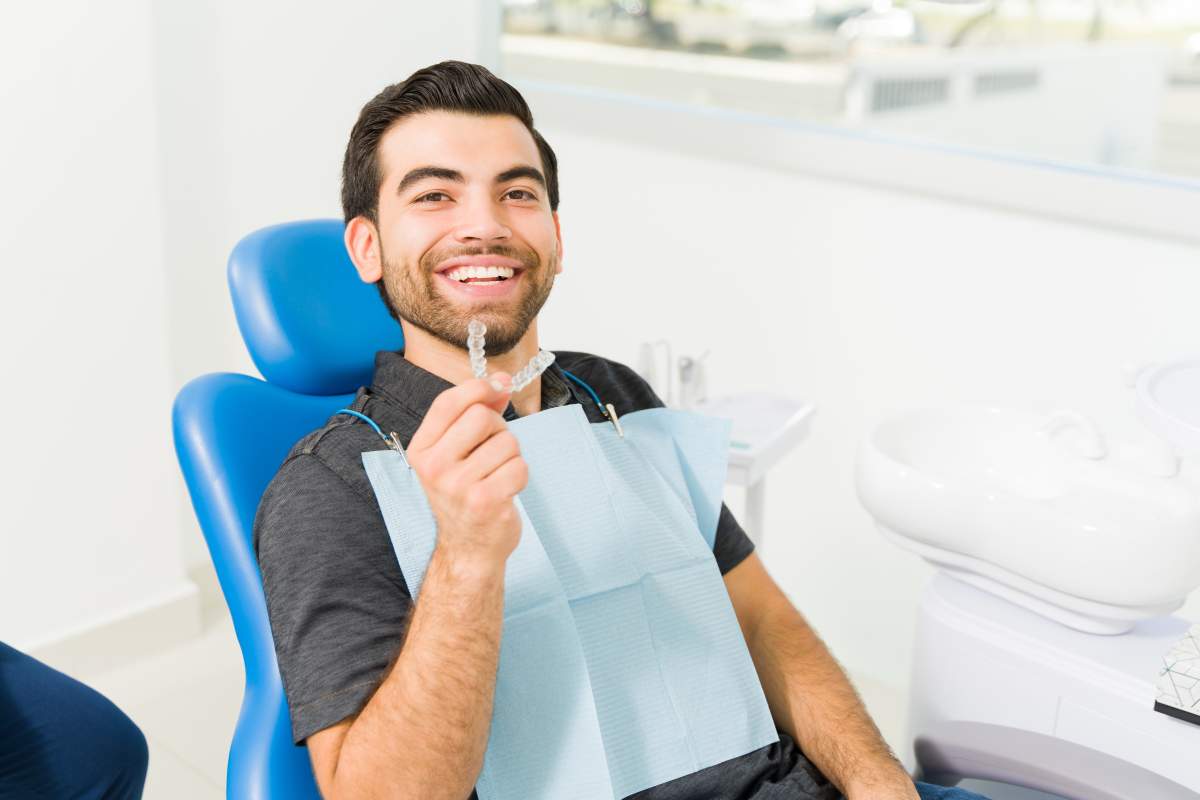
Aligners can sometimes be used for complex cases, occasionally with attachments, elastics, or a combination of appliances. However, the fact that a case can be represented in a digital simulation does not necessarily mean every movement will occur exactly as shown. Treatment requires monitoring and adjustments as teeth respond.
Does oral health affect the choice?
Yes. Active tooth decay, uncontrolled gum disease, poor brushing, or significant gum recession should be addressed before teeth are moved. Orthodontic treatment can make existing oral-health problems harder to manage, and moving teeth through unhealthy supporting tissues can increase the risk of complications such as recession, root shortening, or tooth loss. ([aaoinfo.org](https://aaoinfo.org/orthodontists-respond-to-frequently-asked-questions-from-adults-considering-treatment/?utm_source=openai))
This is especially relevant for adults who have had years of dental work or who notice bleeding gums, loose teeth, sensitivity, or changes in the way the bite fits. A healthy foundation is more important than choosing the least visible appliance.
What questions should families ask before choosing?
A useful discussion should focus on the diagnosis and expected result, not only appearance. Questions may include:
- What specific tooth or bite problem is being treated?
- Is the issue mild, moderate, or complex?
- Which movements are less predictable with aligners?
- How many hours each day must trays be worn?
- What happens if a tray is lost or a bracket breaks?
- Will elastics, attachments, or additional appliances be needed?
- How will dental hygiene and gum health be monitored?
- What type of retainer will be needed afterward?
Retainers matter for every age group. Teeth can shift after either braces or aligners, so long-term retention is part of the treatment plan rather than an optional final step. ([aaoinfo.org](https://aaoinfo.org/whats-trending/teeth-spacing-causes-treatment-options/?utm_source=openai))
For local households balancing school calendars, work schedules, winter travel, sports, and family routines, the most practical choice is the one that can be used consistently while still providing the necessary control. Clear aligners work very well for selected cases, but braces remain the more reliable option for many complex movements. Age does not decide the answer by itself; diagnosis, oral health, dental development, and daily cooperation do.